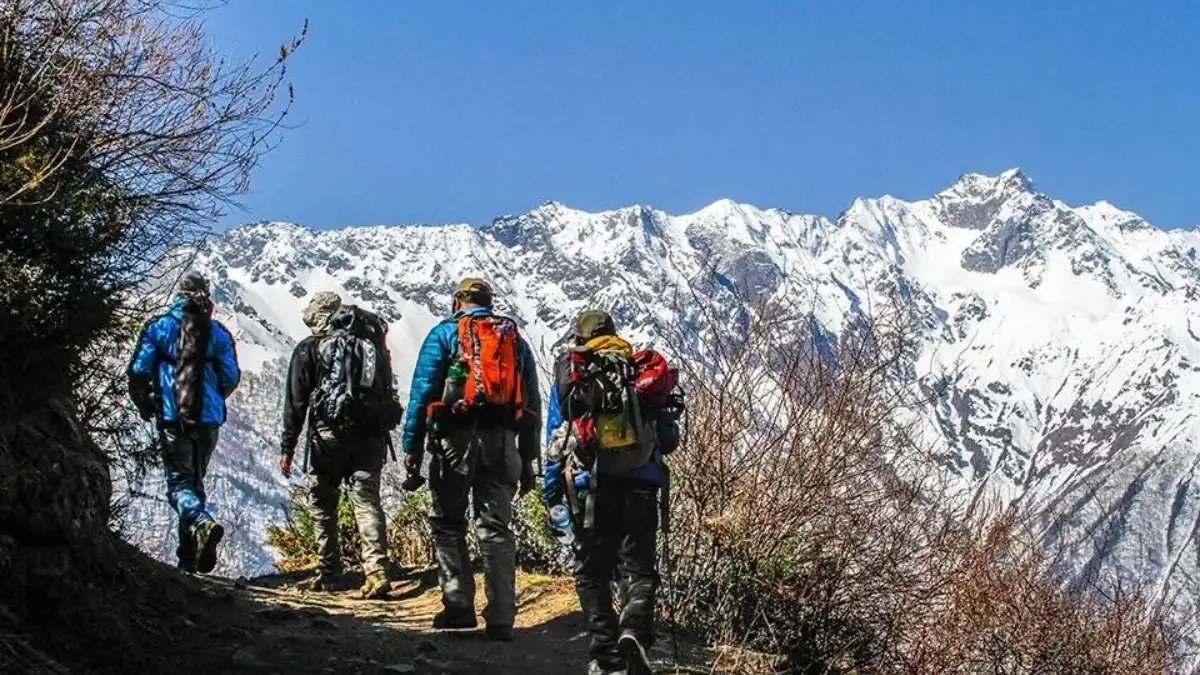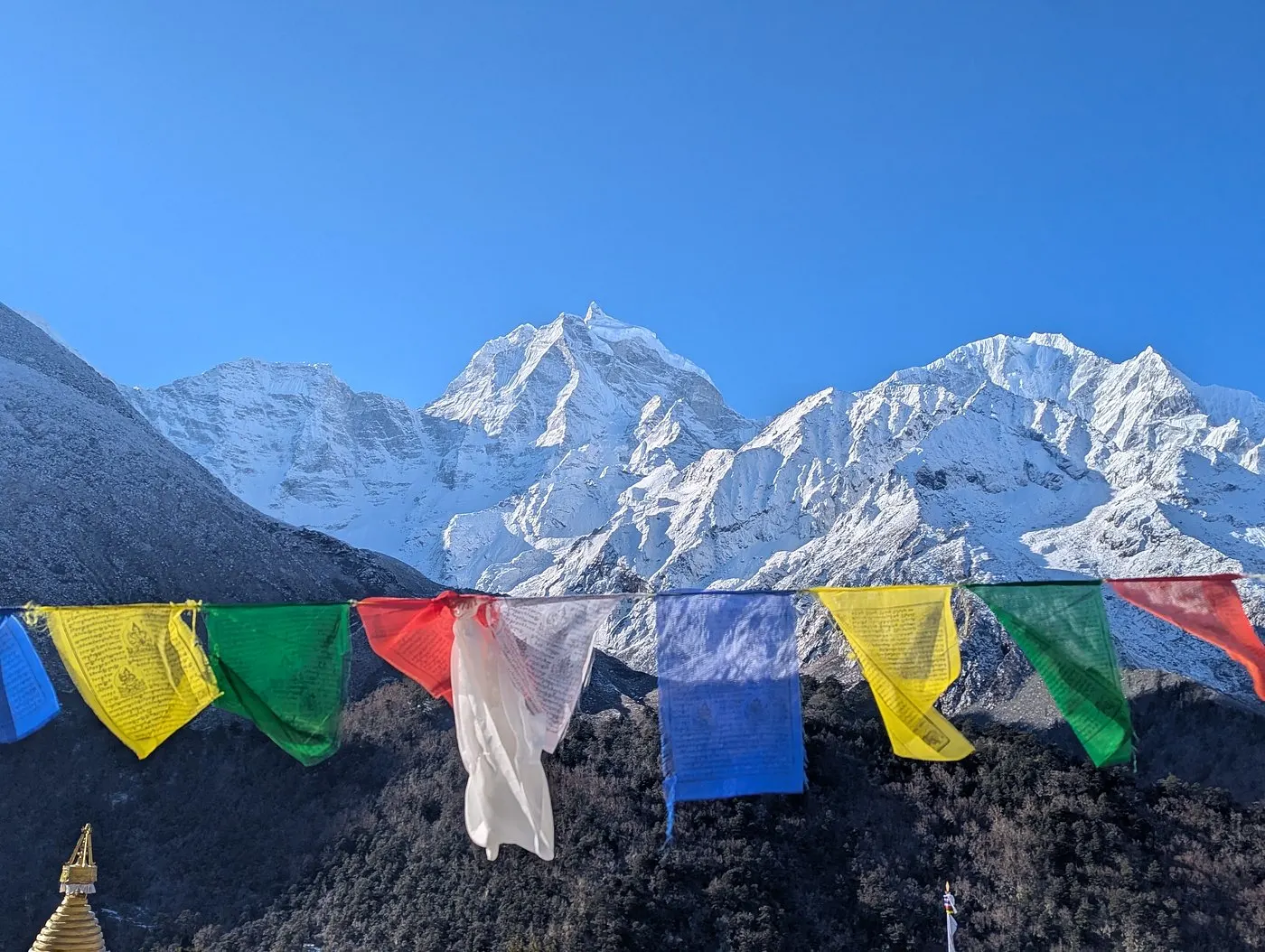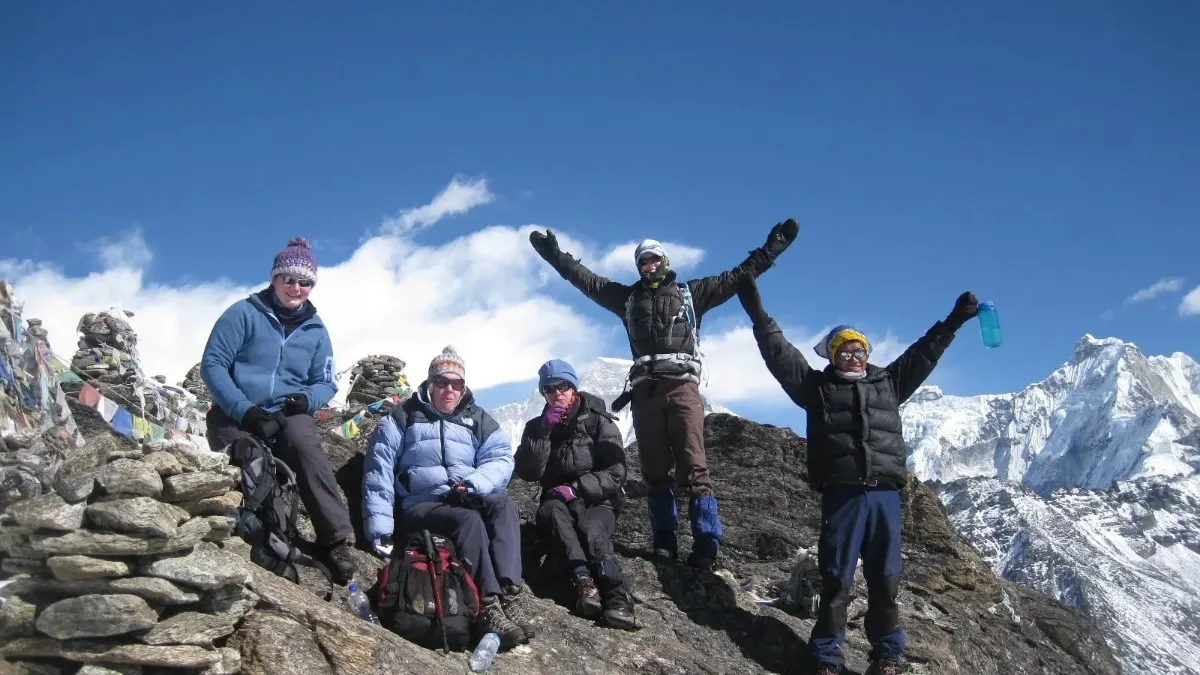
The best Himalayan treks with a Sherpa guide include Everest Base Camp, Pikey Peak, Annapurna Base Camp, Pikey Dudhakunda, Gokyo Lakes and Cho La Pass, Poon Hill, Mardi Himal, Manaslu Circuit, and Tsum Valley.
Each route offers something different. Some take you through quiet villages and green forests, while others lead to glaciers, sacred lakes, and high mountain passes.
The right trek depends on your fitness, hiking experience, available time, and interests. You might prefer watching the sunrise over Everest from Pikey Peak rather than walking to Everest Base Camp.
At Sherpa Brothers Treks, we are a family-run, Sherpa-owned trekking company with roots in Solukhumbu and over 25 years of guiding experience.
This article compares nine Himalayan treks and shares experiences from our previous guests to help you choose your next adventure.
Why Should You Explore Himalayan Treks With a Local Sherpa Guide?
You should explore Himalayan treks with a local Sherpa guide because their regional knowledge can help you understand mountain trails, discover local traditions, and choose a journey that suits your interests.
For example, Pikey Peak may suit travelers who want Everest views without spending several days at very high elevations. Pikey Dudhakunda and Tsum Valley may appeal more to those interested in Buddhist heritage.
A guide can help you understand these differences before choosing your destination.
If you are still deciding who should lead your journey, read our article on how to choose a Sherpa guide in Nepal.
Best Himalayan Treks With a Sherpa Guide: Quick Comparison
Compare these nine Himalayan trekking routes based on their location, elevation, difficulty, and main attractions.
|
Trek |
Region | Key Elevation | Difficulty | Best For |
| Everest Base Camp | Khumbu | 5,364m | Challenging | Iconic Mountain Scenery |
| Pikey Peak | Solukhumbu | 4,065m | Moderate | Everest sunrise views |
| Annapurna Base Camp |
Annapurna |
4,130m |
Moderate to challenging |
Close mountain views |
|
Pikey Dudhakunda |
Solukhumbu |
4,561m |
Moderate to challenging |
Sacred lakes and culture |
|
Gokyo and Cho La Pass |
Khumbu | Approx. 5,403m | Challenging | Glaciers and mountain lakes |
|
Poon Hill |
Annapurna |
3,210m |
Easy to moderate | Beginners and short holidays |
|
Mardi Himal |
Annapurna | Up to 4,500m | Moderate to challenging | Ridge walks and photography |
|
Manaslu Circuit |
Gorkha | Over 5,100m | Challenging | Remote mountain adventures |
|
Tsum Valley |
Gorkha | Approx. 3,700m | Moderate to challenging | Buddhist heritage |
The elevations represent key destinations, viewpoints, passes, or planned high points. Some itineraries include optional climbs that reach higher elevations.
Difficulty ratings are general estimates. Your experience will depend on your fitness, daily walking distance, weather, and ability to adjust to altitude.
9 Best Himalayan Treks to Explore With a Sherpa Guide
1. Everest Base Camp Trek – Best for Iconic Himalayan Scenery

The Everest Base Camp Trek is a challenging high-altitude journey through the Khumbu region of Nepal. It is an excellent choice for travelers who dream of exploring the world's highest mountain region.
The journey commonly begins in Lukla and follows the Dudh Koshi River toward Namche Bazaar. It continues through Tengboche, Dingboche, and Lobuche before reaching Everest Base Camp.
Green forests gradually give way to open valleys, rocky trails, and glaciers as you climb higher.
The route passes through Sagarmatha National Park, a UNESCO World Heritage Site known for its mountain landscapes and Sherpa cultural heritage.
Main highlights:
- Everest Base Camp at approximately 5,364 meters.
- Mountain views from Kala Patthar.
- Namche Bazaar and Tengboche Monastery.
- Views of Ama Dablam, Lhotse, and Nuptse.
- Glaciers and traditional Sherpa settlements.
Unlike shorter Himalayan treks, Everest Base Camp involves several days at high elevations. You need enough time for your body to adjust to the altitude. Choose this trek if: Reaching Everest Base Camp is a personal goal and you are prepared for a demanding mountain journey.
Explore our Everest Base Camp Trek with local Sherpa guides.
2. Pikey Peak Trek – Best for Everest Views and Quiet Trails

The Pikey Peak Trek is a moderate Himalayan trek in lower Solukhumbu, reaching approximately 4,065 meters. It offers wide views of Mount Everest without taking you to the higher elevations of Everest Base Camp.
The trail passes through forests, farming villages, open hillsides, and Buddhist religious sites. On clear mornings, the summit offers beautiful views across the Himalayan range.
Main highlights:
- Sunrise from Pikey Peak.
- Panoramic views of Mount Everest and surrounding peaks.
- Rhododendron and pine forests.
- Traditional Sherpa villages.
- Buddhist monasteries and cultural sites.
Pikey Peak is a good alternative to Everest Base Camp if you prefer quieter trails and a shorter cultural journey.
Our family's roots in Solukhumbu give us a personal connection to this region and its traditions.
Although Pikey Peak is less demanding than Everest Base Camp, its elevation still requires proper preparation. Choose this trek if: You want Himalayan sunrise views, fewer crowds, and opportunities to learn about Sherpa culture.
Discover our Pikey Peak Trek.
3. Annapurna Base Camp Trek – Best for Close Mountain Views

The Annapurna Base Camp Trek takes you into a natural mountain basin surrounded by the peaks of the Annapurna range. The base camp sits at approximately 4,130 meters.
The journey begins among terraced farms, rivers, forests, and traditional villages. As you climb, the landscape opens into the Annapurna Sanctuary, where towering mountains surround you.
Main highlights:
- Annapurna Base Camp at 4,130 meters.
- Views of Annapurna I, Annapurna South, and Machhapuchhre.
- Waterfalls and forest trails.
- Traditional Gurung and Magar villages.
- Jhinu Danda hot springs, depending on the itinerary.
Annapurna Base Camp differs from Everest Base Camp in its lower elevation, greener landscapes, and cultural surroundings.
However, its many stone stairways and repeated uphill and downhill sections can still be physically demanding. Choose this trek if: You want a Himalayan base camp experience with varied landscapes and close mountain views at a lower elevation than Everest Base Camp.
View our Annapurna Base Camp Trek package.
4. Pikey Dudhakunda Trek – Best for Sacred Lakes and Cultural Discovery
The Pikey Dudhakunda Trek combines the sunrise views of Pikey Peak with a journey to a sacred lake near Numbur Himal in Solukhumbu.
Dudhakunda, also spelled Dudhkunda, holds religious importance for Hindu and Buddhist visitors. Our planned route reaches the lake at approximately 4,561 meters.
Main highlights:
- Pikey Peak sunrise views.
- Sacred Dudhakunda Lake.
- Junbesi village.
- Thupten Choling Monastery.
- Taksindu Monastery.
- Views of Numbur Himal.
Unlike the standard Pikey Peak Trek, this route takes you deeper into Solukhumbu. It includes more remote trails, religious sites, and additional walking days.
Our itinerary includes an additional day in Junbesi for a visit to Thupten Choling Monastery. This gives you time to explore without immediately moving to the next destination.
If cultural discovery is your main interest, read more about family trekking with local Sherpa guides in Nepal.
Choose this trek if: You have more time and want to combine mountain scenery with religious heritage and quieter trails.
Explore our Pikey Dudhakunda Trek.
5. Gokyo Lakes and Cho La Pass Trek – Best for Glaciers and Mountain Lakes
The Gokyo Lakes and Cho La Pass Trek is a challenging Himalayan journey that connects Gokyo Valley with Everest Base Camp.
The turquoise waters of Gokyo Lakes offer a striking contrast against the surrounding mountains. Nearby, the Ngozumpa Glacier stretches across the rocky landscape.
The route also includes a crossing of Cho La Pass before continuing toward Everest Base Camp.
Main highlights:
- High-altitude Gokyo Lakes.
- Ngozumpa Glacier.
- Mountain views from Gokyo Ri.
- Cho La Pass at approximately 5,420 meters.
- Everest Base Camp.
This combined route offers more varied scenery than the standard Everest Base Camp Trek. However, the additional walking days and high mountain pass make it more demanding.
Snow, ice, and poor visibility can affect the crossing. A guide familiar with the region can help assess whether conditions are suitable.
Choose this trek if: You have relevant hiking experience and want to explore lakes, glaciers, and high mountain passes in one journey.
Discover our Gokyo, Cho La and Everest Base Camp Trek.
6. Poon Hill Trek – Best for Beginners and Short Holidays
The Poon Hill Trek is one of the more beginner-friendly Himalayan treks in Nepal. Located in the Annapurna region, its main viewpoint reaches approximately 3,210 meters.
The trail passes through green forests, traditional villages, and stone stairways. Its main attraction is watching the sunrise over the Annapurna and Dhaulagiri mountain ranges.
Main highlights:
- Sunrise from Poon Hill.
- Views of Annapurna and Dhaulagiri.
- Rhododendron forests.
- Traditional mountain lodges.
- Farming villages and local communities.
Poon Hill is a practical choice if you have limited holiday time or want to combine trekking with sightseeing in Pokhara.
Its lower elevation makes it less demanding than many high-altitude routes, although the uphill stairways can still be tiring.
If this is your first mountain adventure, our beginner trekking guide explains what to expect from a guided trek. Choose this trek if: You want a shorter Himalayan holiday with beautiful mountain views and relatively lower elevations.
Take a look at our Ghorepani Poon Hill Trek.
7. Mardi Himal Trek – Best for Ridge Walks and Mountain Photography
The Mardi Himal Trek is a scenic journey through the Annapurna region, reaching up to approximately 4,500 meters depending on the itinerary. Its main attraction is the close view of Machhapuchhre, also known as Fishtail Mountain.
The trail begins in green forests before opening into mountain ridges. These exposed landscapes make Mardi Himal particularly attractive to photographers.
Main highlights:
- Close views of Machhapuchhre.
- Views of Annapurna South and Hiunchuli.
- Open mountain ridges.
- Rhododendron forests.
- Mountain photography opportunities.
Mardi Himal is generally more demanding than Poon Hill because of its higher elevation and exposed trails. Although both treks can fit into relatively short holidays, Mardi Himal requires more attention to altitude adjustment and mountain weather.
Choose this trek if: You enjoy photography, open mountain scenery, and a more challenging short trekking adventure.
Plan your journey with our Mardi Himal Trek.
8. Manaslu Circuit Trek – Best for Remote Himalayan Adventures
The Manaslu Circuit Trek is a challenging journey around Mount Manaslu, the world's eighth-highest mountain at 8,163 meters. The route follows river valleys, passes through remote mountain villages, and climbs toward Larkya La, a mountain pass above 5,100 meters.
Unlike a base camp trek, a circuit takes you around a mountain region rather than returning along much of the same trail.
Main highlights:
- Views of Mount Manaslu.
- Larkya La Pass.
- Remote Himalayan settlements.
- Tibetan Buddhist cultural influences.
- River valleys and suspension bridges.
Manaslu Circuit is an appealing alternative to Everest Base Camp for experienced trekkers who enjoy remote trails and changing landscapes. Parts of the Manaslu region require special permits. The Department of Immigration provides official information about restricted-area trekking permits and fees.
Choose this trek if: You enjoy long-distance hiking, remote mountain scenery, and demanding multi-day journeys.
Explore our Manaslu Circuit Trek in Nepal.
9. Tsum Valley Trek – Best for Buddhist Heritage and Village Life
The Tsum Valley Trek is a culturally rich Himalayan journey in the Gorkha district of Nepal. It is an excellent choice for travelers interested in Buddhist traditions, sacred sites, and remote mountain communities.
The valley has its own cultural identity, offering a different experience from the Sherpa settlements of Solukhumbu.
Our planned itinerary reaches Mu Gompa at approximately 3,700 meters.
Main highlights:
- Mu Gompa Monastery.
- Rachen Gompa.
- Sacred Buddhist caves.
- Traditional mountain settlements.
- Views of the Ganesh Himal region.
The standalone Tsum Valley Trek allows you to explore this remote region without crossing Larkya La. However, it still involves several days of mountain walking and requires suitable preparation. Restricted-area permits must also be arranged before departure.
Choose this trek if: Buddhist heritage, traditional villages, and peaceful mountain landscapes matter more to you than reaching a famous base camp.
Discover our Tsum Valley Trek.
Real Trekking Experiences From Our Previous Guests
Our previous guests have explored different parts of Nepal, from the quieter trails of Solukhumbu to the demanding mountain passes of Manaslu. Their experiences offer useful insights for travelers planning similar journeys.
Exploring Everest Base Camp With Friends
In September 2023, a Tripadvisor reviewer from Townsville, Australia, using the name coom01, completed the Everest Base Camp Trek with two friends through Sherpa Brothers.
The traveler appreciated the meal arrangements and communication throughout the journey. They also mentioned that some sightseeing entrance fees were separate from the package cost.
Their experience highlights the value of checking package inclusions before departure.
Exploring the Remote Landscapes of Manaslu
Geoff (geoff2802) from Canberra, Australia, completed the Manaslu Circuit with Sherpa Brothers in April 2026.
In his Tripadvisor review, he appreciated the professional organization of the journey and expressed interest in returning for another adventure.
His experience highlights the value of careful planning when trekking through remote Himalayan regions.
Combining Manaslu Circuit and Tsum Valley
In October 2026, a solo traveler using the Tripadvisor name Go25975952764 shared their experience of completing Manaslu Circuit and Tsum Valley with Sherpa Brothers.
The traveler encountered difficult weather and challenging conditions but appreciated the team's professional guidance and flexibility.
Their experience shows why allowing extra time and being open to itinerary changes can be valuable on remote mountain routes.
Source: Tripadvisor, Absolutely top and first-class, October 2026.
These accounts are summaries of individual customer experiences rather than promises of future trekking outcomes. You can read more on our Tripadvisor review page.
Which Himalayan Trek Should You Choose?
You should choose a Himalayan trek that matches your fitness, available time, previous hiking experience, and personal interests.
Instead of choosing the most popular destination, consider what you want from your journey.
| Your Main Interest | Recommended Trek |
| Seeing Mount Everest | Everest Base Camp or Pikey Peak |
| First Himalayan adventure | Poon Hill |
| Sherpa culture | Pikey Peak or Pikey Dudhakunda |
| Sacred lakes and glaciers | Pikey Dudhakunda or Gokyo |
| Close mountain views | Annapurna Base Camp |
| Mountain photography | Mardi Himal or Gokyo |
| Remote mountain adventures | Manaslu Circuit |
| Buddhist monasteries | Tsum Valley or Pikey Dudhakunda |
Remember that a shorter trek is not always easier. Mardi Himal, for example, reaches a much higher elevation than Poon Hill despite both being suitable for relatively short holidays.
Choose a route that allows you to enjoy the journey without rushing.
Which Himalayan Treks Can You Combine in Nepal?
You can combine several Himalayan treks in Nepal, including Pikey Peak with Dudhakunda, Gokyo Lakes with Everest Base Camp, and Manaslu Circuit with Tsum Valley.
Combined routes suit travelers who have more holiday time and want to explore a wider mountain region.
Pikey Peak With Dudhakunda
This combination extends the Pikey Peak journey to include a sacred lake, additional monasteries, and remote Solukhumbu villages.
Gokyo Lakes With Everest Base Camp
This route connects the lakes and glaciers of Gokyo with Everest Base Camp through Cho La Pass. It requires more time and fitness than the standard base camp trek.
Manaslu Circuit With Tsum Valley
This combination brings together a challenging mountain circuit and the Buddhist cultural heritage of Tsum Valley.
Before booking a combined trek, discuss the additional walking days, altitude changes, accommodation, and permit requirements with your trekking company.
What Is the Best Time to Explore Himalayan Treks With a Sherpa Guide?
The best time to explore Himalayan treks with a Sherpa guide is generally spring, from March to May, and autumn, from September to November.
The most suitable season also depends on your destination and the type of experience you want.
| Season | Months |
Trekking Conditions |
| Spring | March - May | Flowering forests, warmer days, and mountain views |
| Autumn | September - November | Often clear skies and wide mountain views |
| Winter | December - February | Cold weather, quieter trails, and possible snow |
| Monsoon | June - August | Rainfall, green landscapes, and reduced visibility |
Spring is particularly attractive for forest trails around Poon Hill, Pikey Peak, and Annapurna Base Camp.
Autumn is popular for high-altitude adventures and mountain photography.
During winter, snow and ice can make high passes such as Cho La and Larkya La difficult or unsuitable. Monsoon rainfall may affect trail conditions and road access.
Always confirm current mountain conditions before choosing your departure dates.
How Should You Compare Trekking Packages Before Booking?
To compare trekking packages before booking, you should check the actual walking days, altitude changes, accommodation, transport, meals, and guide or porter services.
Two packages with similar names may offer different experiences. One Everest Base Camp itinerary may include a Kala Patthar climb, while another may offer it as an optional activity.
Before booking, check:
- Actual trekking days rather than total holiday duration.
- Highest overnight sleeping elevation.
- Rest days for adjusting to altitude.
- Cultural visits and optional viewpoints.
- Transport and meal arrangements.
- Trekking permits and porter services.
Our article on trekking porters in Nepal explains porter responsibilities and their role in mountain trekking.
For higher routes, consult the CDC's guidance on high-altitude travel and altitude illness.
Do not choose an itinerary based only on its price or short duration. Your body needs enough time to adjust to higher elevations.
What Makes the Trekking Experience With Sherpa Brothers Different?
The trekking experience with Sherpa Brothers is shaped by our family's roots in Solukhumbu, over 25 years of guiding experience, and focus on individual and small-group mountain holidays.
Our connection to Solukhumbu is especially meaningful when organizing routes such as Pikey Peak and Dudhakunda. We also organize journeys across Everest, Annapurna, Manaslu, and other Himalayan regions for travelers with different interests and experience levels.
You can learn more about our family background and approach to mountain travel on our About Us page.
Frequently Asked Questions
Which Himalayan trek offers Everest views without going to Everest Base Camp?
Pikey Peak is a Himalayan trek that offers Everest views without going to Everest Base Camp. Its summit reaches approximately 4,065 meters and provides wide Himalayan views in clear weather.
Which Himalayan treks in Nepal reach above 5,000 meters?
Himalayan treks in Nepal that reach above 5,000 meters include Everest Base Camp, Gokyo Lakes and Cho La Pass, Manaslu Circuit, and the Everest Three High Passes Trek.
These routes require careful altitude planning and suitable physical preparation.
Which Himalayan treks are best for visiting Buddhist monasteries?
Pikey Dudhakunda, Tsum Valley, and Everest Base Camp are among the best Himalayan treks for visiting Buddhist monasteries. Key sites include Thupten Choling, Mu Gompa, and Tengboche Monastery, depending on your itinerary.
Which Himalayan treks have fewer crowds in Nepal?
Himalayan treks that generally have fewer crowds in Nepal include Pikey Peak, Pikey Dudhakunda, and Tsum Valley compared with the busiest sections of the Everest Base Camp route.
Visitor numbers vary by season and local conditions.
Can you explore Tsum Valley without crossing a high mountain pass?
Yes, you can explore Tsum Valley without crossing a high mountain pass by choosing the standalone Tsum Valley Trek instead of combining it with Manaslu Circuit.
Can I customize a Himalayan trek with a Sherpa guide?
Yes, you can customize a Himalayan trek with a Sherpa guide through suitable arrangements with your trekking company. Changes may include additional village visits, rest days, or cultural activities, subject to safety and permit requirements.
Conclusion: Find Your Ideal Himalayan Trek With a Sherpa Guide
The best Himalayan treks with a Sherpa guide offer different ways to experience Nepal's mountains, people, and traditions.
Whether you choose Everest Base Camp for its famous scenery, Pikey Peak for quieter trails, or Manaslu for a challenging adventure, the right journey is one that matches your interests and abilities.
You do not need to reach the highest mountain pass to have a memorable Himalayan experience.
Ready to plan your next adventure? Contact Sherpa Brothers Treks with your travel dates, hiking experience, and interests. Our local team can help you choose a Himalayan trek that suits you.