Yes, first time trekkers should generally hire a trekking guide in Nepal, especially if they have limited experience trekking independently or are undertaking their first multi-day Himalayan trek. A qualified guide can help with navigation, walking pace, local communication, and unexpected situations. Some shorter hikes may be suitable without a guide, but Nepal requires licensed guides on specified trekking routes.
For first time trekkers in Nepal or travelers with limited experience trekking independently, deciding whether to hire a guide can feel confusing. You may want the freedom to explore independently while worrying about unfamiliar mountain trails, altitude sickness, changing weather, or finding your way.
These are reasonable concerns. The best choice depends on the route, your experience, physical fitness, and the support available during the trek.
Previous Sherpa Brothers clients have described how guides helped them adjust their walking pace, prepare for their first Himalayan journey, and manage family trekking arrangements. Their experiences offer useful examples of what professional trekking support can mean in practice.
This article explains when first time trekkers should hire a trekking guide in Nepal, what professional guides do, how to compare guide costs, and how to choose the right guiding arrangement for your first Himalayan trek.
Why Should First Time Trekkers Hire a Trekking Guide in Nepal?

First time trekkers should consider hiring a trekking guide in Nepal because a qualified guide can provide local trail knowledge, navigation support, help with daily planning, and practical assistance when conditions change. These benefits are particularly valuable for travelers unfamiliar with independent Himalayan trekking.
1. Help With Navigation and Trail Conditions
Trekking trails in Nepal can pass through forests, villages, steep hills, and remote valleys. Some routes have several junctions, and signs may be limited.
A guide familiar with the area can help you follow the planned route, understand trail conditions, and make informed decisions when visibility or weather changes.
2. Support With Walking Pace
Walking in the mountains is different from walking on flat ground. A relatively short trekking day can become tiring because of steep climbs, uneven steps, and continuous descents.
A guide can help you understand the day's walking demands, discuss suitable breaks, and assess whether your planned pace is realistic. This is particularly valuable if you have never completed several consecutive days of hiking.
3. Local Communication and Cultural Understanding
A trekking guide can help you communicate with teahouse owners, arrange accommodation, and understand local customs. In Nepal, teahouses are local lodges that usually provide meals and basic overnight accommodation along established trekking routes.
A knowledgeable local guide can also explain the history, traditions, and communities you encounter.
4. Practical Assistance During Difficult Situations
If you feel unwell, become injured, or encounter unsafe conditions, a guide can help coordinate local assistance and communicate with the trekking agency.
However, a guide cannot guarantee immediate medical treatment, reliable phone coverage, or emergency evacuation.
5. Help Understanding Trekking Requirements
Guide and permit requirements vary across Nepal. A qualified guide working with a registered trekking agency can help clarify the rules for your chosen itinerary and identify the necessary arrangements before departure.
What Does a Trekking Guide Do for First Time Trekkers in Nepal?
A trekking guide for beginners in Nepal is a professional who helps trekkers follow mountain routes, understand local conditions, and coordinate practical arrangements during their journey.
A guide's duties may include:
- Explaining the planned route and daily walking schedule.
- Helping with trail navigation.
- Assisting with accommodation and local communication.
- Monitoring changing trail and weather conditions.
- Discussing adjustments when someone is tired or unwell.
- Helping coordinate assistance during emergencies.
- Sharing knowledge about local communities and traditions.
The exact responsibilities depend on the guide's qualifications and what is included in the booking.
What Is the Difference Between a Trekking Guide and a Porter in Nepal?
A trekking guide in Nepal is primarily responsible for route guidance and trekking coordination. A porter is primarily responsible for carrying luggage.
A guide does not automatically carry your main backpack, and hiring a guide does not necessarily include a porter.
Before booking, ask whether porter services are included, how much luggage can be carried, and what equipment you must carry yourself.
What Do Previous Sherpa Brothers Clients Say About Hiring Trekking Guides in Nepal?

Previous Sherpa Brothers clients describe benefits that go beyond following the trail. Their experiences include personal guidance, support with walking pace, advance communication, and help with family trekking arrangements.
The following examples come from customer-submitted accounts on the company's Tripadvisor reviews page.
A First Himalayan Trip With Furba Sherpa: Sam P, April 2026
Sam P, a traveler from London, visited the Himalayas for the first time in April 2026.
In the review, Sam describes receiving helpful email responses from Furba Sherpa before departure. When the originally assigned guide became unavailable, Furba personally accompanied the trek. Sam also describes learning about the mountains and Sherpa culture during the journey.
What can first time trekkers learn from this experience?
For someone planning their first Himalayan trek, communication before departure matters. Ask who will guide your trek, how you can contact the organizer, and what happens if the originally assigned guide becomes unavailable.
The review describes one client's experience, rather than a guarantee that the same arrangements will always be possible.
Trekking Poon Hill at a Comfortable Pace: Arwel, October 2026
In an October 2026 review, Arwel from Wales describes traveling through Nepal with his wife. Their journey included a Poon Hill trek near Pokhara and a separate trek toward Namche Bazaar.
Arwel explains that they completed the Poon Hill trek slowly and describes Furba as patient and encouraging throughout the walk. The couple also appreciated the local knowledge shared by Furba and Ang Pemba during different parts of their journey.
What can first time trekkers learn from this experience?
A first trek should not become a race to reach the next destination. Before booking, ask how much time is planned for each walking day and whether the itinerary can accommodate a slower pace.
You should also discuss what happens if the group cannot safely complete the planned distance.
A Family Trek to Ghorepani: Anne B, July 2025
Anne B describes a three-day family trek to Ghorepani with two children, aged 10 and 13, in a review published in July 2025. The family traveled with Sherpa Brothers team members Furba, Dawa, and Ram.
According to the review, the team helped coordinate transport, explain Nepal's culture and geography, and arrange accommodation. Anne also describes how the guides helped her children feel comfortable and enjoy their time on the trail.
What can first time trekkers learn from this experience?
For first time family trekkers, planning involves more than choosing a scenic route. Daily walking demands, suitable accommodation, transport, rest breaks, and communication all deserve attention.
Families should discuss children's previous hiking experience and practical needs before choosing an itinerary.
What Do These Trekking Experiences Tell First Time Trekkers?
These Sherpa Brothers client experiences highlight three practical lessons:
-
Clear communication before departure can help first-time visitors understand their trekking arrangements.
-
A suitable walking pace matters when beginners encounter unfamiliar mountain trails.
-
Accommodation, transport, and daily planning can be particularly important for families.
These are individual customer experiences, not proof that every trek will have the same outcome. They are useful because they describe particular situations and the support travelers say they received.
Is a Trekking Guide Mandatory for First Time Trekkers in Nepal?
No, a trekking guide is not mandatory for first timers on every hiking route in Nepal. However, licensed guides are required on specific trekking routes under Nepal's published regulations. Restricted areas have additional permit requirements.
According to the Nepal Tourism Board's official TIMS guidance, a revised provision effective March 31, 2023, requires licensed guides and agency-issued TIMS cards for specified trekking routes in protected areas.
The published list includes routes such as:
- Everest Base Camp and several other Everest-region treks.
- Annapurna Circuit and the Poon Hill to Annapurna Base Camp route.
- Langtang trekking routes.
- Manaslu Circuit and Tsum Valley.
- Mardi Himal and several other Himalayan routes.
These requirements apply to the specified routes. They should not be interpreted as an identical rule for every short hike in an entire region.
What Trekking Permits Do First Time Trekkers Need in Nepal?
The trekking permits beginners need in Nepal depend on their destination, route, and applicable regulations.
Different requirements can include:
| Requirement | Purpose |
| TIMS card | Trekker information and management documentation for applicable routes |
| National park or conservation-area permit | Entry permission for designated protected areas |
| Restricted-area trekking permit | Special permission for designated restricted trekking areas |
| Licensed trekking guide | Professional guiding required on specified routes |
A TIMS card does not replace every park or restricted-area permit. Nepal's Department of Immigration publishes separate restricted-area trekking permit notices.
A person traveling alone may be eligible to arrange a guided restricted-area trek, subject to the current permit rules. Traveling without companions is not the same as trekking without a guide.
Always confirm your exact route requirements before booking.
Can First Time Trekkers Trek Without a Guide in Nepal?
Yes, first time trekkers can complete some independently permitted hikes in Nepal without a guide, provided they choose manageable trails and prepare properly.
However, independent hiking is not automatically suitable for a beginner simply because a route is short. Check the trail difficulty, elevation gain, navigation, weather, permits, and emergency assistance available along the route.
For a first unfamiliar multi-day Himalayan trek, hiring a guide is generally the more practical choice.
What Are the Main Risks of Trekking Without a Guide for First Time Trekkers in Nepal?
The main risks of trekking without a guide for first time trekkers in Nepal are navigation mistakes, sudden weather changes, injuries, altitude illness, and difficulty arranging assistance in remote locations.
Navigation Problems
First time trekkers may find it difficult to identify the correct route when paths divide or conditions affect visibility.
A guide familiar with the destination can help with navigation, but trekkers should still understand their itinerary and carry basic route information.
Sudden Weather Changes
Heavy rain, snow, fog, and strong winds can affect mountain trails.
First time trekkers should check weather forecasts, carry suitable clothing, and be prepared to change their plans when conditions become unsafe.
Physical Exhaustion and Injuries
Long ascents, uneven surfaces, and steep descents can cause fatigue, blisters, or injuries.
A suitable itinerary, comfortable footwear, and adequate preparation reduce avoidable difficulties.
Altitude Illness
Altitude illness is an important risk on higher Himalayan trekking routes.
According to the CDC's high-altitude travel guidance, physical fitness does not prevent altitude illness. Symptoms of acute mountain sickness can include headache, nausea, dizziness, and unusual tiredness after ascent.
First time trekkers should not ascend to sleep at a higher altitude while experiencing symptoms of altitude illness. Worsening symptoms require descent and urgent medical assessment. Confusion, serious difficulty walking normally, or severe breathlessness at rest require immediate medical attention.
A guide with appropriate training may help identify warning signs and coordinate assistance, but a guide does not replace qualified medical care.
Is Guided Trekking Safer Than Solo Trekking for First Time Trekkers in Nepal?
Yes, guided trekking can provide more practical support than solo trekking for first time trekkers in Nepal, especially on unfamiliar or remote trails.
A qualified guide can help with navigation and local communication while supporting decisions about route conditions and itinerary changes.
However, no guide can remove every mountain risk.
| Factor | Guided trekking | Independent trekking |
| Navigation |
Help from a route-familiar guide |
Trekker navigates alone |
| Walking pace |
Can be discussed with guide |
Trekker manages independently |
| Weather decisions |
Local guidance may be available |
Trekker assesses conditions |
| Emergency coordination |
Guide can assist |
Trekker arranges assistance |
| Local communication |
Guide may help with language and arrangements |
Trekker manages communication |
| Flexibility |
Depends on the booking |
Greater independent control |
| Cost |
Includes guide-related expenses |
No guide fee where independent trekking is permitted |
For first time trekkers, the better choice depends on the actual route and the level of support they need.
How Can First Time Trekkers Choose a Licensed Trekking Guide in Nepal?
To choose a licensed trekking guide in Nepal, first time trekkers can follow these six steps:
- Choose a registered trekking agency. Ask about its legal registration and operating permissions.
- Check the guide's license. Confirm the guide's name, relevant qualifications, and route experience.
- Discuss first-aid and altitude training. Ask how the guide responds when a trekker becomes unwell.
- Review the itinerary. Check walking hours, elevation changes, overnight stops, and rest days.
- Ask about emergencies. Confirm communication arrangements and how assistance would be coordinated.
- Review the written agreement. Check inclusions, exclusions, cancellation conditions, and responsibilities.
Do not choose a guide based only on price or promises that the trek will be easy.
Sherpa Brothers provides information about its team, including Furba Sherpa's professional background. His published profile describes his progression from assistant trekking guide to licensed trekking and mountain guide.
You can also read our detailed article on how to choose a Sherpa guide in Nepal for more practical questions to ask before booking.
How Can First Time Trekkers Compare Trekking Guide Costs in Nepal?
To compare trekking guide costs in Nepal, first time trekkers can request written quotations for the same itinerary and check which services are included.
Follow these steps:
- Ask for a quote covering the same destination and number of days.
- Check whether guide accommodation, meals, transport, and insurance are included.
- Confirm whether porter services are available and how they are priced.
- Separate trekking permits and protected-area entry fees.
- Review accommodation, transport, and meal arrangements.
- Check cancellation terms and possible costs if the itinerary changes.
A cheaper quote is not always better value if important services are excluded.
Should First Time Trekkers Hire a Private Trekking Guide or Join a Group in Nepal?
No, first time trekkers should not automatically hire a private trekking guide instead of joining a group in Nepal. Both options can be suitable, depending on the traveler's preferences.
A private guide may suit someone who wants more individual attention or a flexible itinerary. A small-group trek may suit someone who prefers walking with other travelers and sharing parts of the experience.
Before deciding, ask about group size, the expected walking pace, guide availability, and how itinerary adjustments are handled.
When Should First Time Trekkers Book a Trekking Guide in Nepal?
First time trekkers should book a trekking guide in Nepal before finalizing their itinerary and permit arrangements, particularly when the planned route requires a licensed guide.
For travel during popular spring and autumn trekking periods, it is sensible to check availability early.
Before booking:
- Confirm the destination and preferred travel dates.
- Discuss your fitness and previous hiking experience.
- Review the itinerary and expected walking hours.
- Check the guide's qualifications.
- Understand permit requirements.
- Review cancellation conditions and insurance coverage.
- Discuss communication before and during the trek.
Early planning provides more time to prepare, although it does not guarantee favorable weather or a fixed itinerary.
Where Should First Time Trekkers Go on Their First Guided Trek in Nepal?

In Nepal, first time trekkers planning their first guided trek can consider established shorter itineraries around Kathmandu and Pokhara.
The right route depends on fitness, available time, walking difficulty, altitude, and current permit requirements. You can explore the wider selection of trekking regions in Nepal before comparing the shorter itineraries below.
Kathmandu Valley Trek
The Kathmandu Valley Trek is an option for visitors who want to experience hill walking, forest trails, and local communities without immediately choosing a long high-altitude trek.
Sherpa Brothers offers a Chisapani and Nagarkot itinerary with walking through the hills surrounding Kathmandu. First time trekkers should still check the daily walking hours and elevation gain, since shorter treks can include tiring climbs.
Ghorepani Poon Hill Trek
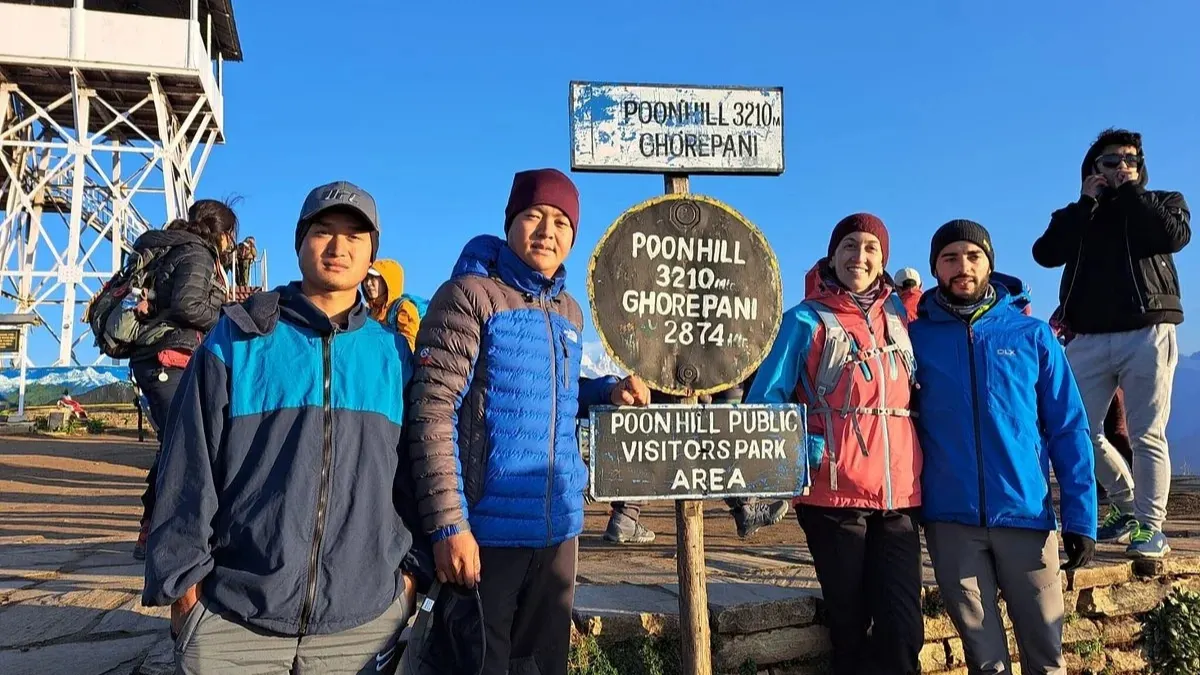
The Poon Hill Trek takes trekkers through villages and forested hills in the Annapurna region. Poon Hill reaches approximately 3,210 metres and offers views of the Annapurna and Dhaulagiri mountain ranges. The route includes substantial uphill walking and stone steps, so beginners should not assume it is effortless.
The experience described in Arwel's October 2026 review is particularly relevant here. It illustrates why discussing your walking pace with your guide before departure can be useful.
Everest Base Camp Trek
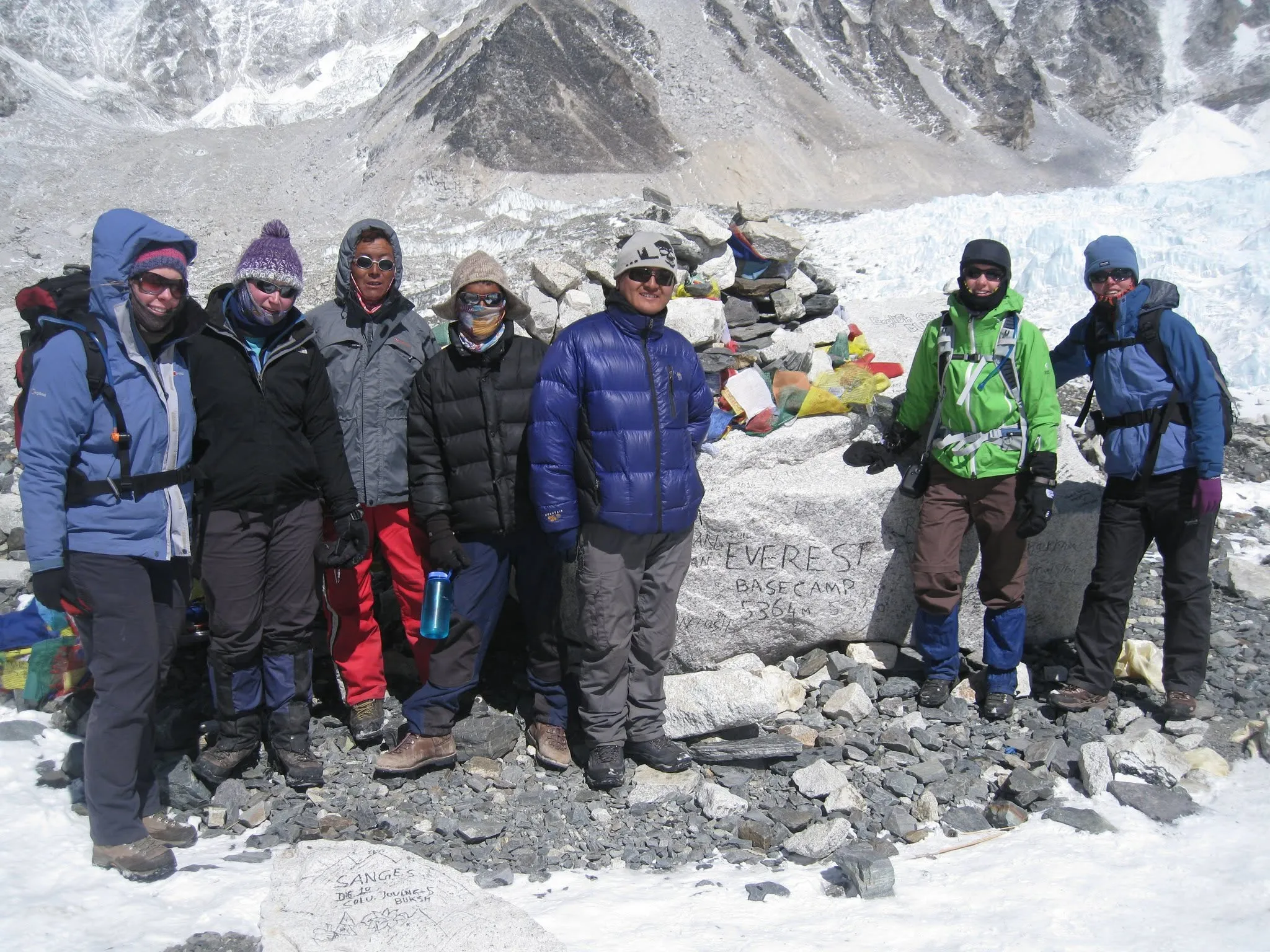
The Everest Base Camp Trek is a much more demanding journey involving greater altitude and a longer trekking commitment. It should not be selected simply because it is one of Nepal's best-known routes.
First time trekkers considering Everest Base Camp should carefully assess their fitness, available travel days, altitude exposure, and acclimatization plan with a qualified trekking professional.
How Should First Time Trekkers Prepare for Their First Guided Trek in Nepal?
To prepare for their first guided trek in Nepal, first time trekkers should complete these seven steps:
- Build walking stamina. Practice regular walks and include hills or stairs where possible.
- Test footwear. Wear your trekking shoes or boots before departure.
- Study the itinerary. Understand daily walking hours, elevation gain, and overnight stops.
- Pack suitable equipment. Prepare clothing for changing weather and carry essential personal items.
- Arrange travel insurance. Confirm coverage for the activity, maximum altitude, medical care, and evacuation.
- Create an emergency plan. Share your itinerary with a trusted contact and discuss communication arrangements.
- Talk openly with your guide. Explain your experience, walking pace, concerns, and any relevant medical needs.
The Sherpa Brothers trekking gear checklist can help you prepare your equipment making sure to adapt it to the season and selected route.
How Should First Time Trekkers Handle an Emergency During a Guided Trek?
To handle an emergency during a guided trek, beginners should:
- Stop walking and inform the guide immediately.
- Move away from immediate danger when it is safe.
- Seek appropriate medical or first-aid assistance.
- Share their location with responders when communication is available.
- Avoid continuing into unsafe terrain or ascending further with altitude-illness symptoms.
- Follow the agreed emergency and evacuation plan.
A guide may help coordinate assistance, but rescue availability depends on conditions, communication, and local resources.
Frequently Asked Questions About Hiring a Trekking Guide in Nepal
Can First Time Trekkers Trek Alone in Nepal?
Yes, first time trekkers can trek alone in Nepal on certain permitted routes, but they should choose manageable trails and confirm guide requirements before departure.
Traveling alone does not always mean trekking without a guide. A solo traveler can also book a privately guided trek.
Should First Time Trekkers Hire a Guide for Short Treks in Nepal?
Yes, first time trekkers should consider hiring a guide for short treks in Nepal when the route is unfamiliar, navigation is difficult, or local regulations require professional guiding.
Is Hiring a Trekking Guide in Nepal Worth It for First Time Trekkers?
Yes, hiring a trekking guide in Nepal can be worth it for first time trekkers who value route knowledge, practical assistance, and help with trekking arrangements.
The benefit depends on the guide's qualifications, the route, and the services included.
Can Female First Time Trekkers Request Female Trekking Guides in Nepal?
Yes, female first time trekkers can request female trekking guides in Nepal, subject to an agency's available guides and the selected travel dates.
Availability should be confirmed before booking.
Is Travel Insurance Necessary for Guided Trekking in Nepal?
Yes, travel insurance is strongly recommended for guided trekking in Nepal, especially for remote and high-altitude routes.
Check the policy's trekking, altitude, medical, and evacuation coverage before departure.
Conclusion: Should Beginners Hire a Trekking Guide in Nepal?
Yes, first time trekkers should generally hire a trekking guide in Nepal for their first unfamiliar, multi-day, or high-altitude trek. A qualified guide can provide local knowledge, navigation assistance, and valuable practical support. However, the decision should always begin with the planned route. Some short hikes may allow independent travel, while specified trekking routes require licensed guides and permits.
The experiences shared by previous Sherpa Brothers clients show why communication, suitable pacing, and careful arrangements can matter during a first Himalayan journey.
Start with a realistic itinerary, check the applicable regulations, and choose a guide whose qualifications and approach match your needs.
Sherpa Brothers Treks & Expeditions is a locally Sherpa-owned trekking company with roots in the Solukhumbu region. Learn more about Sherpa Brothers and its approach to trekking holidays.
If you are planning your first Himalayan trek, you can share your trekking plans with Sherpa Brothers to discuss suitable destinations, walking requirements, and guiding arrangements before making a decision.