Nepal is famous for its beautiful mountains, peaceful villages and trekking trails. Every year, travellers from around the world visit the Himalayas to enjoy these places and experience life in the mountains. But a successful trek depends on more than beautiful scenery and a good trekking route.
Along Nepal’s mountain trails, trekking porters play an important role in supporting travellers by carrying luggage and trekking equipment. While some porters transport food and other supplies between remote mountain villages, this article focuses on those working in Nepal’s trekking industry. Understanding their responsibilities and working conditions can help you prepare for a trek and appreciate the people who make Himalayan journeys possible.
Who Are Trekking Porters in Nepal?
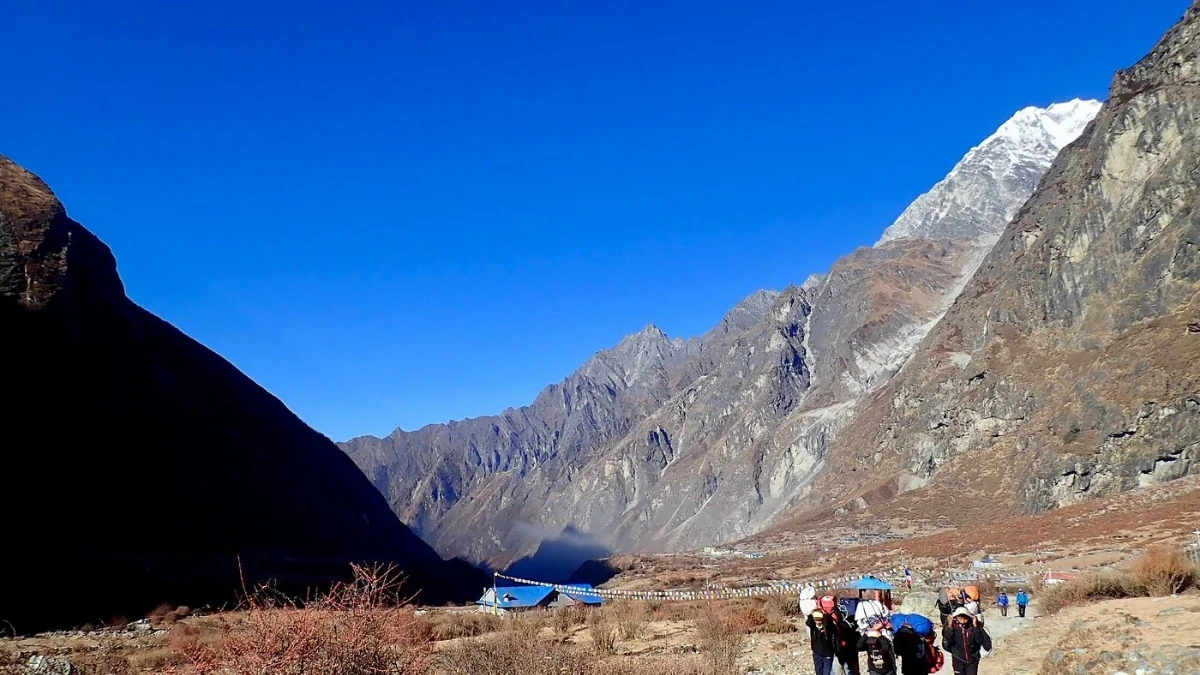
Porters are workers who carry luggage, trekking equipment and other supplies along mountain trails. Some porters carry bags for tourists, while others transport food, building materials and goods needed by people living in mountain villages. Their work is especially important in remote areas where vehicles cannot reach.
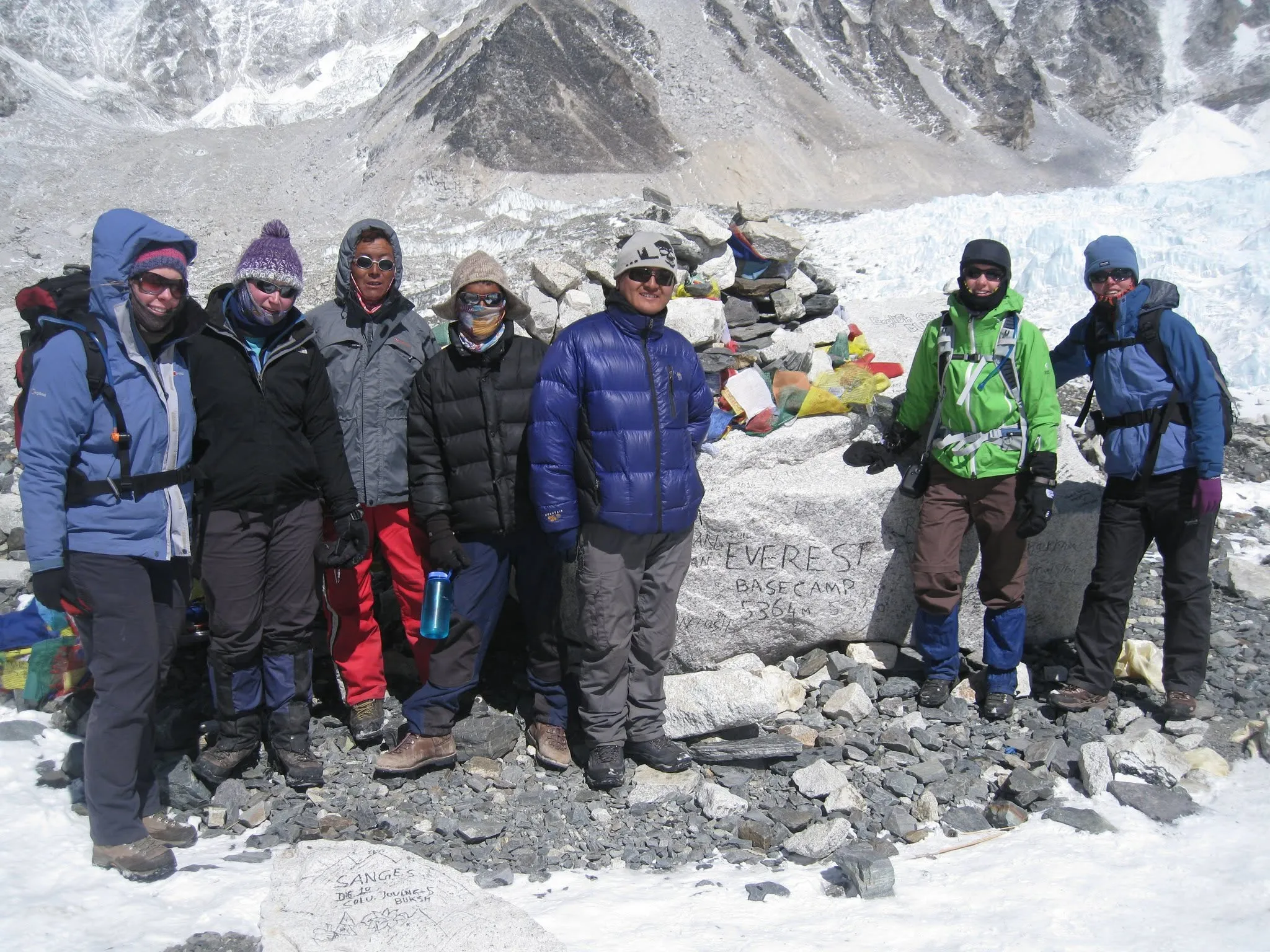
On our Everest Base Camp Trek, for example, travellers meet their porters in Lukla before beginning the walk towards Phakding. Our Annapurna Base Camp Trek also includes porter support as part of the published trekking arrangements. However, porter arrangements are not the same for every journey. The number of porters and their duties may depend on the trekking route, group size and type of trip.
What Do Trekking Porters Actually Do?
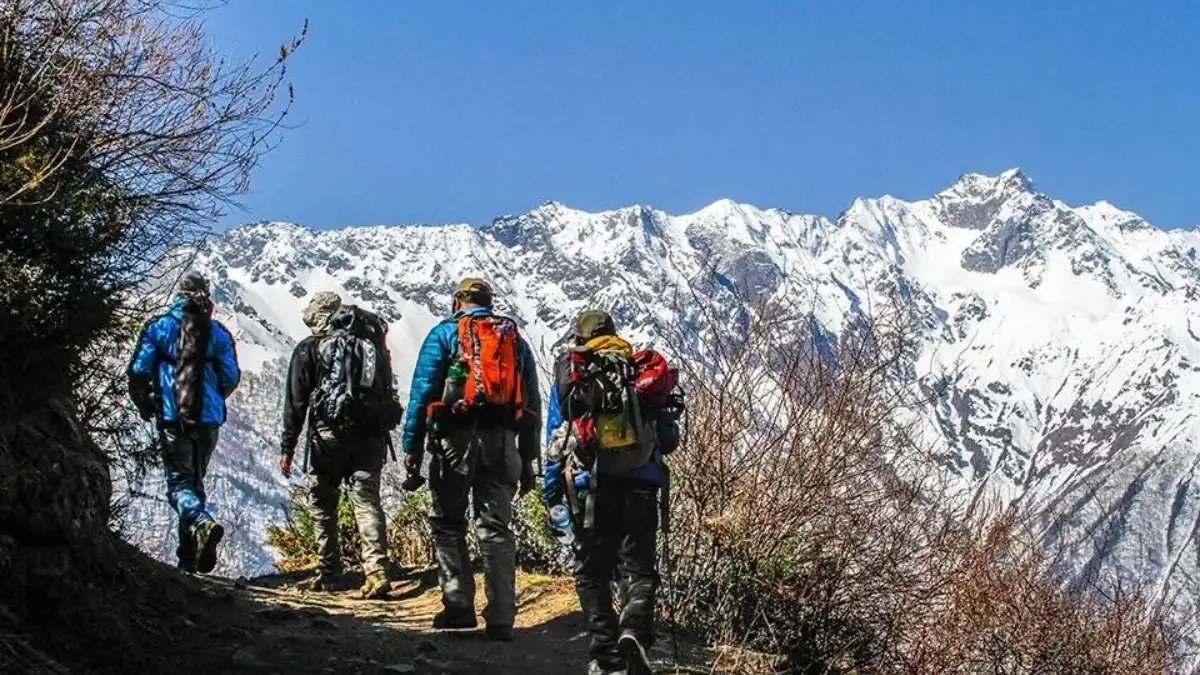
A trekking porter's main responsibility is carrying luggage and equipment from one place to another. This may involve walking for several hours each day on steep paths, rocky trails and mountain steps. The work can become harder when the weather changes. Rain may make trails slippery, while snow and cold temperatures create challenges at higher elevations.
Porters often work alongside trekking guides, but their responsibilities are different. A guide usually leads the group, helps organise the journey and provides support along the route. Porters mainly focus on carrying the assigned luggage. Both roles are important during an organised trek.
Sherpa vs Porter: What's the Difference?
These terms are sometimes confused by people visiting Nepal for the first time. A porter is someone whose main job is carrying luggage or supplies. A trekking guide leads travellers, explains the route and helps manage the journey. A porter guide may carry luggage while also helping with guiding duties. Their training and responsibilities can vary, so travellers should check what services are included.
A Sherpa is a person belonging to the Sherpa ethnic community, which has deep roots in the Himalayan region of Nepal. Not every porter is a Sherpa, and not every Sherpa works as a porter. Sherpa people work in different fields, including tourism, guiding, mountaineering and business. Understanding this difference helps travellers respect the people and cultures they meet during a trek.
Why Are Porters Important for Trekking in Nepal?
Many trekking routes in Nepal pass through areas where roads do not reach every village. Even in these places, people need food, supplies and equipment. Porters help transport these items along mountain paths. Their work also provides income for people involved in Nepal's trekking industry.
The Nepal Tourism Board encourages travellers to use local guides and porters as part of responsible tourism. Trekking also supports lodge owners, cooks, drivers, shopkeepers and other businesses in mountain communities. This means a trekking journey involves many people working together, even if visitors only meet a few of them.
How Porter Support Works on Our Trekking Routes
Porter arrangements can change depending on the destination and group size. On our Everest Base Camp Trek, travellers meet their porters in Lukla before starting the walking journey towards Phakding. Our Annapurna Base Camp Trek also includes porter support as part of the package.
Both published packages list porter salary, equipment and insurance among their included services. However, travellers should always check the details of their chosen itinerary before booking because arrangements may differ between trips.
What Travellers Have Said About Our Porter Support
Some of our past guests have shared their experiences with guides and porters on TripAdvisor. In December 2024, a traveller named Ana V reviewed a 16 day journey through the Everest region with Sherpa Brothers. She explained that she and her partner travelled with both a guide and a porter. She was pleased with their support and the way the journey was organised.
Another traveller, Sue M, shared her experience in October 2024 after completing the Manaslu Circuit Trek. She described her porter guide, Ram, as knowledgeable, helpful and friendly throughout the journey.
These reviews provide examples of how porter support has helped travellers on different trekking routes. They are personal experiences from past guests, so the exact arrangements may be different on future trips. You can read their experiences on our TripAdvisor review page.
How Much Weight Do Trekking Porters Carry in Nepal?
The amount of luggage carried by porters depends on the route, weather, altitude and arrangements made by the trekking company. There is no single luggage allowance used by every trekking operator in Nepal. For our Everest Base Camp Trek, we provide a duffel bag for travellers to pack their main trekking equipment. According to our published itinerary, each traveller can pack a maximum of 12 kg in the duffel bag carried by porters.
This is the luggage allowance for each trekker. It does not mean that an individual porter carries only 12 kg in total. Our itinerary also explains that additional porter support may be needed for oversized or overweight bags. Travellers should remember that flights to Lukla have separate baggage restrictions. Packing carefully and avoiding unnecessary items can help reduce the weight carried along mountain trails. You can also check our trekking gear list when preparing for your journey.
Why Porter Welfare Matters in Nepal
Working as a porter in the Himalayas can be physically demanding. Porters may walk for several hours while carrying luggage through steep trails, cold weather and high mountain areas. Because of these conditions, proper clothing, medical support and safe working arrangements are important.
In Nepal, organisations such as the Trekking Agencies' Association of Nepal (TAAN) recognise the importance of trekking worker welfare. TAAN explains that part of the money collected through the Trekkers' Information Management System, commonly known as TIMS, is used for trekking worker welfare, including insurance and rescue support. The Kathmandu Environmental Education Project (KEEP) also works to improve conditions for porters.
Its programmes help workers learn about health, safety, first aid and suitable clothing for mountain conditions. KEEP also runs a clothing bank that helps porters access equipment for trekking. These efforts show why porter safety is an important part of responsible trekking in Nepal. Travellers can support this by choosing trekking operators carefully and asking about the arrangements made for people working on their journey.
Do You Need a Porter for Trekking in Nepal?
Not every trekker needs a porter. Some experienced hikers prefer carrying their own luggage, especially on shorter routes where this is practical. Others find porter support helpful during longer treks or journeys that involve several days of walking at altitude. Using a porter allows travellers to carry a lighter day bag with essentials such as water, snacks, warm clothing and personal belongings.
However, porter support does not remove the need to prepare physically for trekking. Before choosing a trek, consider your fitness, the route, the number of walking days and the equipment you need. You can read our Travel Information page for more guidance about preparing for a trek in Nepal.
How Much Should You Tip a Porter in Nepal?
Tipping is common on many organised treks in Nepal, but there is no single amount that applies to every journey. The amount may depend on the length of the trek, group size and service provided. It is best to ask your trekking operator about current tipping practices before travelling. A tip should be a way of thanking someone for their work, not a replacement for fair wages.
How Can Travellers Support Porters in Nepal?
Travellers can help encourage responsible trekking through simple decisions. Start by packing within the luggage limit provided by your trekking company. Avoid adding unnecessary weight to your bags without discussing it with your guide. Treat porters with respect and remember that they are workers who also need proper food, rest and safety.
Before booking, you can ask what porter support is included and what arrangements are made for the trekking team. Supporting local lodges and businesses is another way to help mountain communities benefit from tourism. These small choices can make your trekking experience more thoughtful and responsible.
Frequently Asked Questions About Porters in Nepal
Is a porter the same as a Sherpa?
No. Porter is a job, while Sherpa refers to an ethnic community. People from different communities in Nepal work as porters.
How much luggage can a porter carry?
The amount depends on the trekking route and the operator. On our Everest Base Camp Trek, each traveller can pack up to 12 kg in the main duffel bag carried by porters. This is not the total weight assigned to an individual porter.
Can I trek in Nepal without a porter?
On some routes, yes. Travellers may carry their own luggage where it is practical and permitted. Check the arrangements for your chosen trek before travelling.
Do porters carry all your belongings?
Usually not. Travellers should carry essential items such as water, personal medicine and extra clothing in their own day bag.
Can a porter also work as a trekking guide?
Some workers take on both roles and are called porter guides. However, their experience and qualifications can vary.
The People Who Help Make Trekking Possible
Nepal's mountains attract travellers from around the world, but trekking also depends on the people who work along the trails. Porters help transport luggage and supplies through mountain areas where travel can be difficult. Their work supports trekking journeys and provides income for people involved in the mountain tourism industry.
Understanding their responsibilities and working conditions can help travellers make better decisions. If you are planning a Himalayan journey, explore our trekking trips in Nepal to learn about the routes we offer and the support included in each package. The mountains may be the reason people visit Nepal, but the people who help make these journeys possible deserve recognition and respect.