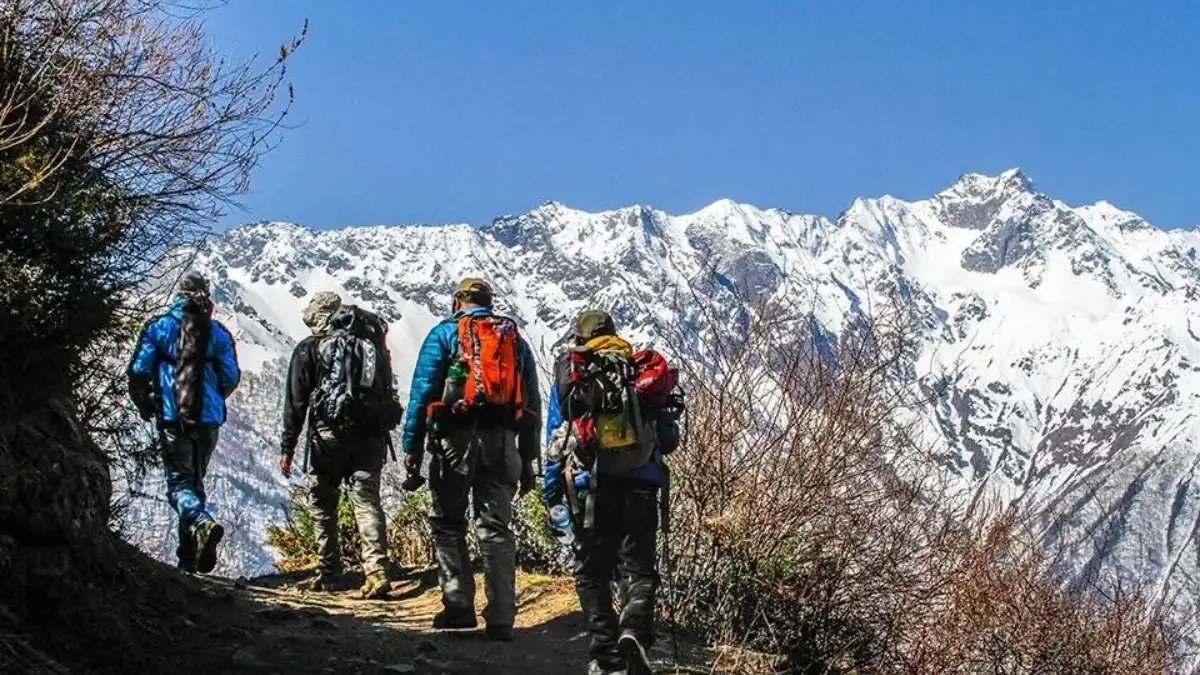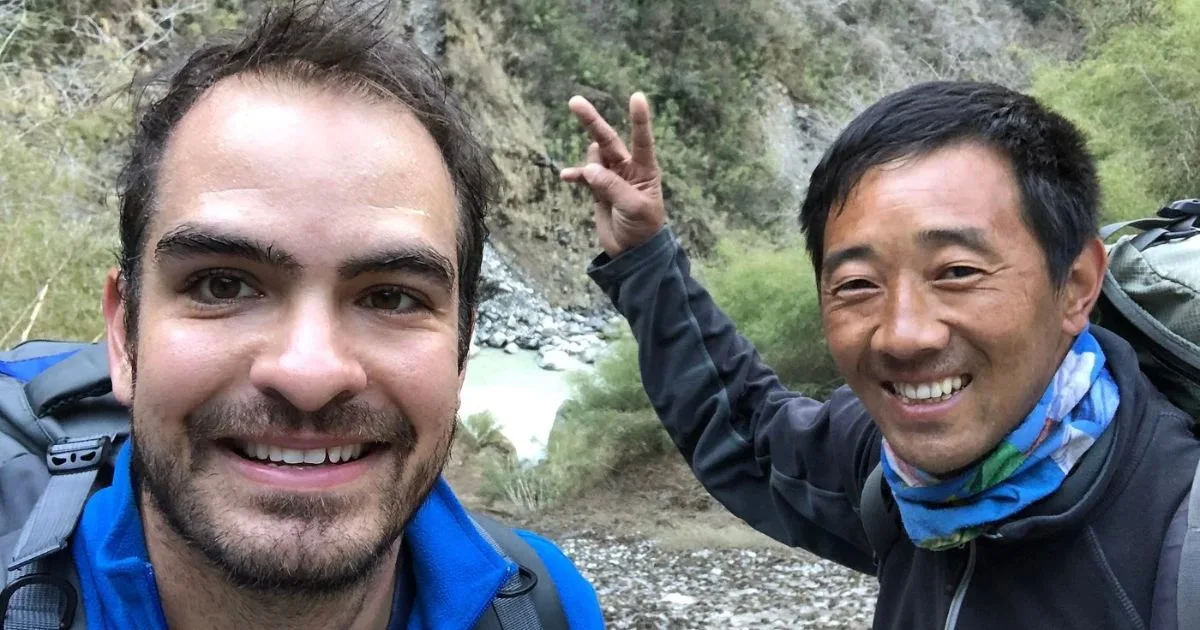
Family trekking in Nepal with local Sherpa guides offers an opportunity to explore scenic mountain routes, experience Sherpa culture, stay in family-run teahouses, and share meaningful experiences with your loved ones. The Everest region gives families access to Sherpa villages, monasteries, and teahouses run by people whose families have called these high places home for generations. At Sherpa Brothers, we are a family-run, Sherpa-owned company rooted in the Solukhumbu region, with more than 25 years of experience guiding travelers worldwide.
Not every route suits every family, and not every guide brings the same access. The difference between a scenic walk and a genuinely immersive experience often comes down to who is leading you and how well they know the people along the way. This article covers which routes fit which families, what altitude really means for children, how to be a respectful guest, and what to look for when choosing a guide.
Key takeaways
- Route matching is essential: The Everest Panorama Trek may suit some families with younger children if altitude risks are carefully assessed; Pikey Peak offers a quieter alternative; Everest Base Camp is best reserved for older teenagers with hiking experience and suitable acclimatization plans.
- Altitude demands respect: Children may not describe symptoms clearly, so watch for behavioral changes and follow the golden rule: do not ascend higher to sleep with symptoms, and descend if symptoms worsen.
- A Sherpa guide brings cultural context: Local community ties can help families understand monasteries, village life, and family-run teahouses that a standard itinerary may overlook.
- Cultural respect is straightforward: Walk clockwise around mani walls and stupas, ask before photographing, and understand that staying in a locally owned teahouse can support a family's livelihood.
- Local credentials matter: Check a trekking operator's current government licence. TAAN membership can be checked separately, but is not a substitute for licensing.
What a Sherpa guide actually gives your family on the trail
Most families planning a Nepal trek focus on the route, the accommodation, and the altitude. The guide question tends to come last. That's worth flipping. Think of it this way: a licensed trekking guide navigates the path and manages logistics, while a Sherpa guide with genuine community ties can add another dimension to the experience for families traveling through these villages.
The cultural layer most families miss
A Sherpa guide can help interpret community life, not just landscape. Prayer wheels, local festivals, and monastery visits have context that makes them meaningful rather than scenic. Your guide can explain why prayer flags are strung between peaks, what the carvings on a mani wall represent, and when it is appropriate to enter a monastery and how to do so properly. That layer of understanding is what separates a mountain walk from an experience families actually talk about for years.
Why locally informed route planning changes everything
A guide with family connections along the trail can adjust pace, suggest rest stops at locally owned lodges, and incorporate Sherpa village visits into your itinerary. They may know welcoming teahouses, where the trail steepens before a younger child tires, and when it makes more sense to stay put than push forward. That kind of real-time judgment is difficult to replicate with an app or itinerary PDF.
Which Everest-region routes suit families trekking in Nepal?
Choosing the right route comes down to age, fitness, and how much altitude you are genuinely comfortable with. Here is an honest look at three Everest-region options for families trekking in Nepal. Durations and daily walking times vary by itinerary.
| Trek | Duration | Max elevation | Daily walking | Best for |
|
Everest Panorama Trek |
Around 9–10 days |
~3,880 m (~12,730 ft) |
Roughly 3–8 hrs | Families considering a shorter Everest-region trek, with altitude precautions |
| Pikey Peak Trek | 10 days on Sherpa Brothers' itinerary, including transfers | 4,065 m (13,336 ft) | Usually 4–7 hrs | Families wanting a quieter trail and Sherpa villages |
| Everest Base Camp Trek, including Kala Patthar | Around 14–18 days, depending on itinerary | ~5,555 m (~18,225 ft) | Commonly 6–8 hrs, sometimes longer | Experienced older teenagers and adults |
The Everest Panorama Trek: a popular family choice
The Everest Panorama Trek is a common choice for families who want real Sherpa culture without the full base-camp commitment. The route passes through Phakding and Namche Bazaar, with Sherpa monasteries and teahouses along the way, and reaches a maximum elevation of roughly 3,860 to 3,880 m (about 12,664 to 12,730 ft) at Tengboche or the Everest View Hotel, depending on the itinerary. Daily distances can run from about 5 to 12 km, with walking times of 3 to 8 hours depending on the day. A 10-day itinerary with built-in rest days may be more suitable for families than a compressed schedule. That said, elevations near 3,880 m carry meaningful altitude risk, including for young children, and families should discuss plans with a qualified clinician before booking.
Pikey Peak and shorter alternatives

Pikey Peak itineraries vary in length. The Pikey Peak Trek offered by Sherpa Brothers takes 10 days including Kathmandu time and road transfers, with about six days of walking. It passes through Sherpa settlements including Dhap, Jhapre, Junbesi, and Phaplu, reaching a summit elevation of 4,065 m (13,336 ft). It is a quieter trail than the main Everest corridor, which appeals to families who want Sherpa village character without the same foot traffic. The route is rated moderate, with no technical climbing, though the summit approach involves steep sections and walking days of roughly 4 to 7 hours. For families who want a less-trafficked experience in the Everest region without committing to an extended base-camp trek, Pikey Peak is a strong option.
When Everest Base Camp makes sense for older kids
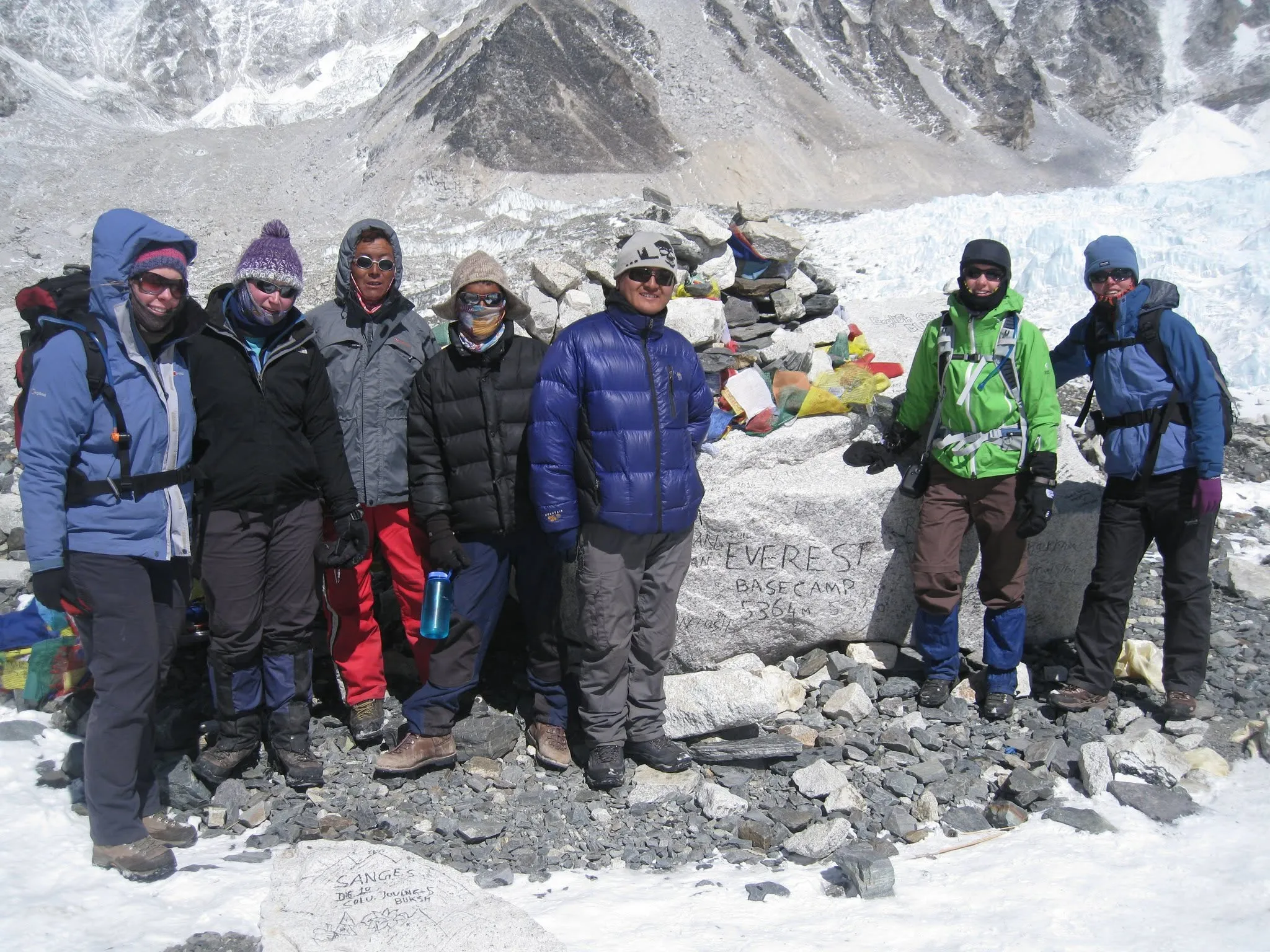
Everest Base Camp is an extraordinary experience, but it is generally not a suitable first choice for young children given its length, serious altitude, and daily physical demands. The Everest Base Camp Trek reaches Base Camp at roughly 5,364 m (17,598 ft); itineraries that also visit Kala Patthar climb to about 5,555 m (18,225 ft). For families with older teenagers who have prior hiking experience and can honestly gauge their own fatigue, the trail through Namche Bazaar and Tengboche offers remarkable cultural access alongside the mountain views. For younger children, the Everest Panorama Trek covers much of the same cultural ground at a lower, though still significant, altitude.
How does altitude affect children, and what should families watch for?
Altitude is an important concern that families should take seriously before booking. Children may not accurately describe altitude illness: behavior changes, reduced appetite, clinginess, or sudden quietness matter as much as a reported headache, according to CIWEC Hospital's trekking guidance for families.
Signs to watch for when trekking with kids at elevation
Watch for headache, nausea, vomiting, dizziness, unusual tiredness, poor sleep, loss of appetite, irritability, clinginess, unusual quietness, reduced play, or refusal to walk. In younger children who cannot describe what they feel, treat new lethargy, marked irritability, refusal to eat, repeated vomiting, or a sudden loss of normal playfulness seriously.
If a child develops symptoms that might indicate altitude illness, do not ascend higher to sleep. If symptoms persist, worsen, or you are in any doubt, descend and seek medical advice. Severe or worsening signs, such as confusion, difficulty waking, stumbling, loss of coordination, or breathlessness at rest, can indicate a life-threatening condition. Descend immediately and seek emergency help without delay.
The acclimatization rules that keep everyone safe
For preschool-aged children, consider lower-altitude routes wherever possible. Healthy children traveling at or below about 2,500 m (8,200 ft) are generally considered at lower risk, but there is no single altitude that is safe for everyone. Discuss plans involving high-altitude trekking, especially nights above 3,000 m (9,843 ft), with a qualified clinician before travel. According to the CDC's high-altitude travel guidance, once above 3,000 m, sleeping-altitude gains should generally be no more than 500 m (1,640 ft) per day, with an extra acclimatization day for roughly every 1,000 m (3,280 ft) gained. Build flexibility into the schedule: short walking days, rest days, and spare days for bad weather or fatigue matter far more than keeping to a fixed itinerary. The safest rule for trekking in Nepal with kids is simple: no higher to sleep with symptoms, and lower if symptoms worsen.
How can you be a respectful guest in a Sherpa village?

Sherpa communities are not tourist attractions. Monasteries, mani walls, and teahouses are living religious and community spaces, and the customs that govern them are straightforward once you know them. "Sherpa" refers to a community and a heritage, not a job title, and that distinction shapes how you should approach every interaction on the trail.
Simple customs that signal genuine respect
Walk clockwise around chortens, stupas, and mani walls, keeping the sacred object on your right. Turn prayer wheels clockwise and avoid touching statues, offering bowls, or ritual objects unless explicitly invited. Follow local instructions about removing shoes before entering a monastery or prayer hall, dress modestly, and silence your phone during puja. Ask before photographing people, inside monasteries, or during ceremonies. Never treat a religious ceremony as a photo opportunity.
Greet residents with "Namaste" or "Tashi Delek" and ask permission before entering homes or courtyards. Avoid pointing your feet toward altars, monks, or sacred objects. When uncertain, copy the conduct of local worshippers or quietly ask your guide. These gestures are small, but they signal genuine respect rather than performative tourism.
Staying in locally owned lodges and what it means economically

Staying at a family-run teahouse can contribute directly to a local family's livelihood. Locally owned lodging can support local livelihoods in meaningful ways, though the specific impact will vary. Standard teahouse accommodation is more common than formal homestays on the main Everest trail. A family-run teahouse generally provides guest accommodation and meals, while a homestay involves a more direct stay with a host family. If staying in a Sherpa family's home matters to you, ask your operator to confirm the actual accommodation arrangement rather than assuming every family-run teahouse is a homestay. A local guide can help you identify lodging options and places where meals are prepared in-house, though we recommend verifying ownership and food sourcing directly when it matters to you.
What to look for in a Sherpa-owned trekking company
Not every company calling itself "Sherpa" is locally owned or run by people from that community. Here is how to tell the difference before you book, and why it matters for the quality of your family's experience.
What registration and credentials actually tell you
Check the agency's current trekking licence with Nepal's Department of Tourism. You can ask about membership in the Trekking Agencies' Association of Nepal (TAAN), but membership is separate from government licensing. Ask whether the company is locally owned, whether it employs guides from the region, and how long it has operated. Confirm the guide's name, experience on your specific route, first-aid and altitude-training credentials, and the company's emergency and evacuation plan. Booking directly with a Nepal-based company rather than through an overseas reseller can help you communicate directly with the people organizing your trip and may keep more of your spending in the local community, worth asking operators about directly.
Why Sherpa Brothers suits families looking for a tailored trek
Sherpa Brothers is a family-run, Sherpa-owned company from the Solukhumbu region, with more than 25 years of experience guiding travelers worldwide. We specialize in small-group and individual itineraries, shaped around each traveler's time, pace, and interests. For families, that means planning a route around your children's abilities and your group's curiosity, rather than relying only on a fixed schedule. We are rooted in the Solukhumbu region and focus on personal care. We also share trip-planning information, including travel details, gear lists, and a trekking food menu, to make preparation more straightforward from the start.
Start planning the trek your family will actually remember
Family-friendly trekking in Nepal is not a niche adventure reserved for experienced mountaineers. The right route, combined with genuine respect for the communities you pass through and a guide who knows the terrain, can make trekking a rewarding option for families with different levels of fitness and experience, provided altitude and other risks are planned for carefully.
Many families find the Everest Panorama Trek a strong starting point. It offers Sherpa culture and trails that reward curiosity without requiring the full base-camp commitment, although the altitude still requires careful planning and medical advice before you go. Families who prefer a quieter trail with fewer crowds often find Pikey Peak equally compelling. For experienced older teenagers ready for a bigger challenge, Everest Base Camp may be worth considering.
Whatever route fits your family, traveling in Nepal with Sherpa guides who have genuine roots in the region can make a difference. Reach out to our team at Sherpa Brothers, and we will help shape a trek around what your family needs.
Frequently Asked Questions
What does family trekking in Nepal with local Sherpa guides involve?
It can involve trekking with a locally rooted Sherpa guide, visiting Sherpa villages, and staying in family-run teahouses. Some travelers also look for homestays, but these are different from standard teahouse accommodation and should be confirmed before booking. For parents, the experience can also mean sharing Sherpa culture and mountain trails with their own children.
Does Pikey Peak require technical climbing?
No, Pikey Peak does not require technical climbing. The route is rated moderate, but the summit approach has steep sections and typically involves several hours of walking per day.
Can our family stay with a Sherpa family during the trek?
Homestays may be available in some Sherpa villages, but they should not be assumed to be part of a standard Everest-region trekking itinerary. Ask your operator to confirm whether a genuine host-family stay can be arranged. Family-run teahouses are more common on the main Everest trail.
How should we plan sleeping altitude for young children?
For very young children, consider lower-altitude itineraries and seek medical advice before planning high-altitude nights. There is no universal safe sleeping-altitude limit for every child. Gradual ascent and a flexible itinerary are essential.
What should we do if a child develops altitude symptoms?
Do not ascend higher to sleep if your child develops symptoms that may indicate altitude illness. Descend if symptoms persist or worsen, or if you are in doubt. For severe or worsening signs, descend immediately and seek emergency help without delay.