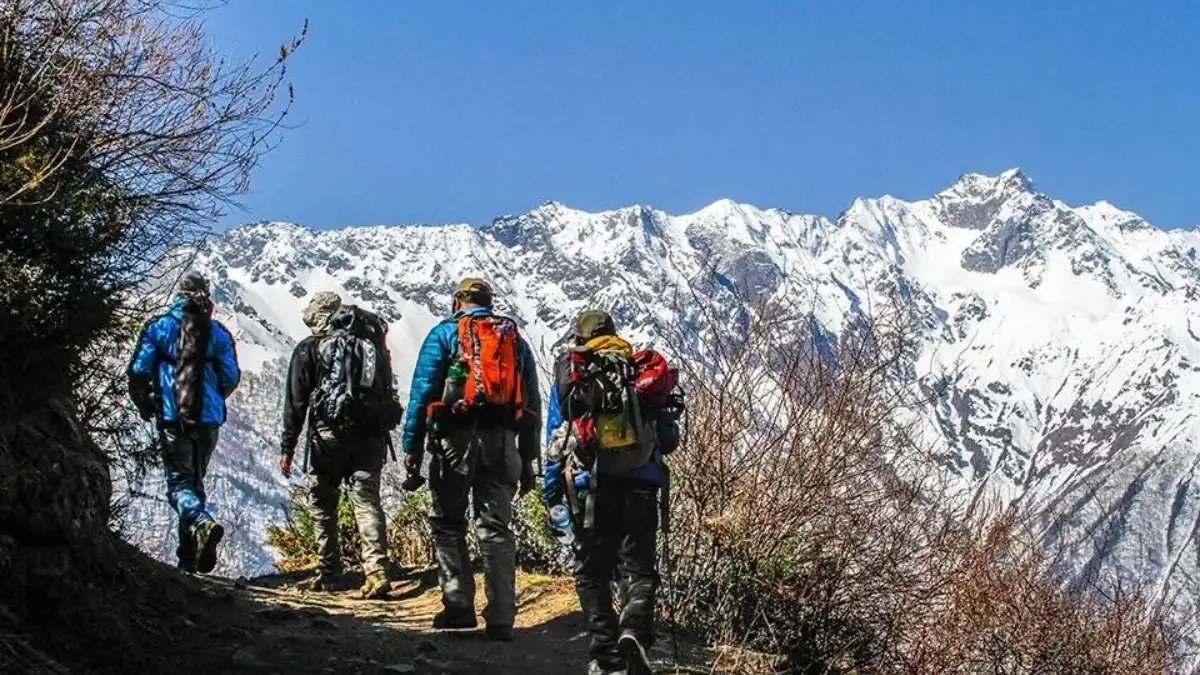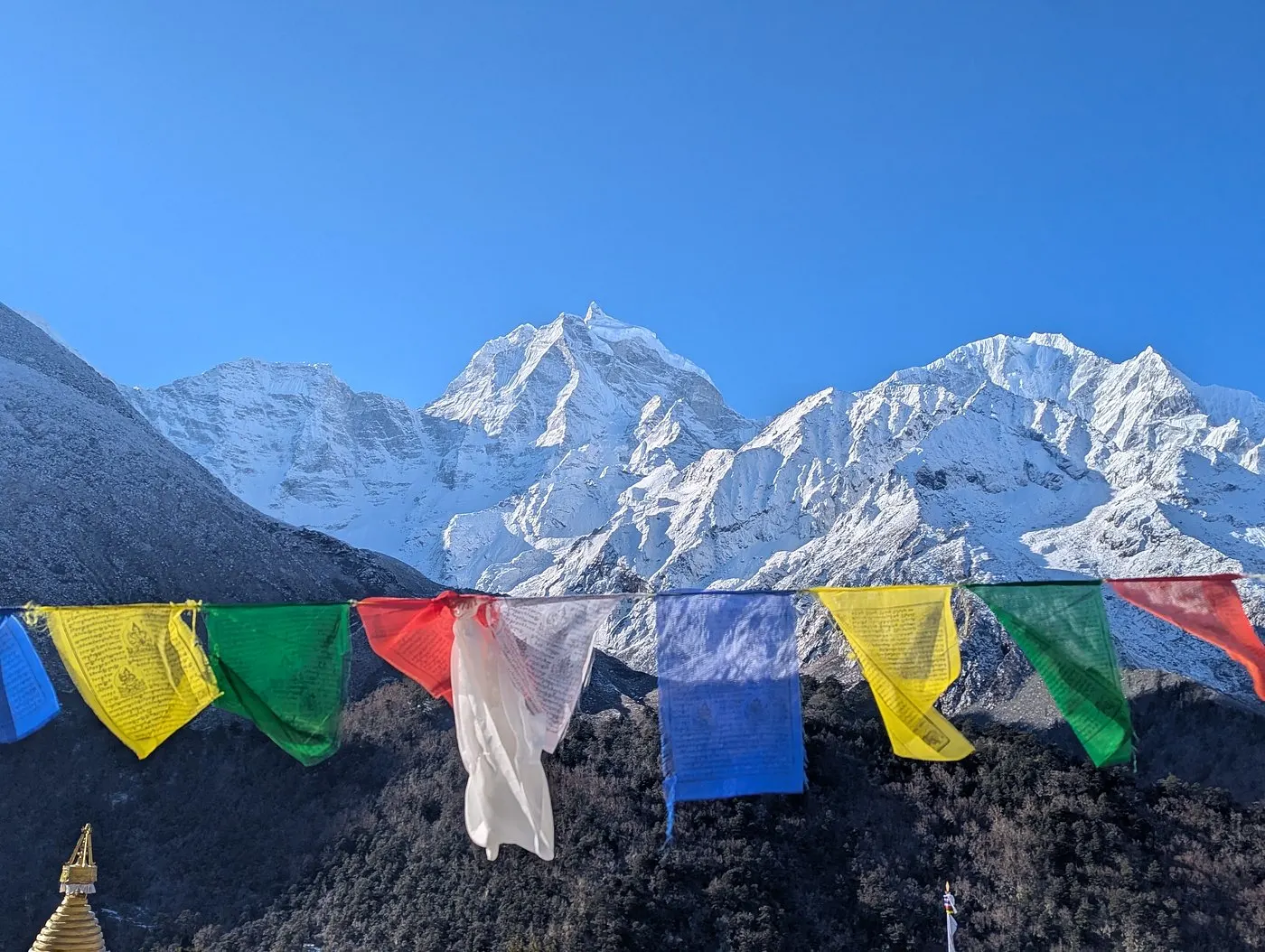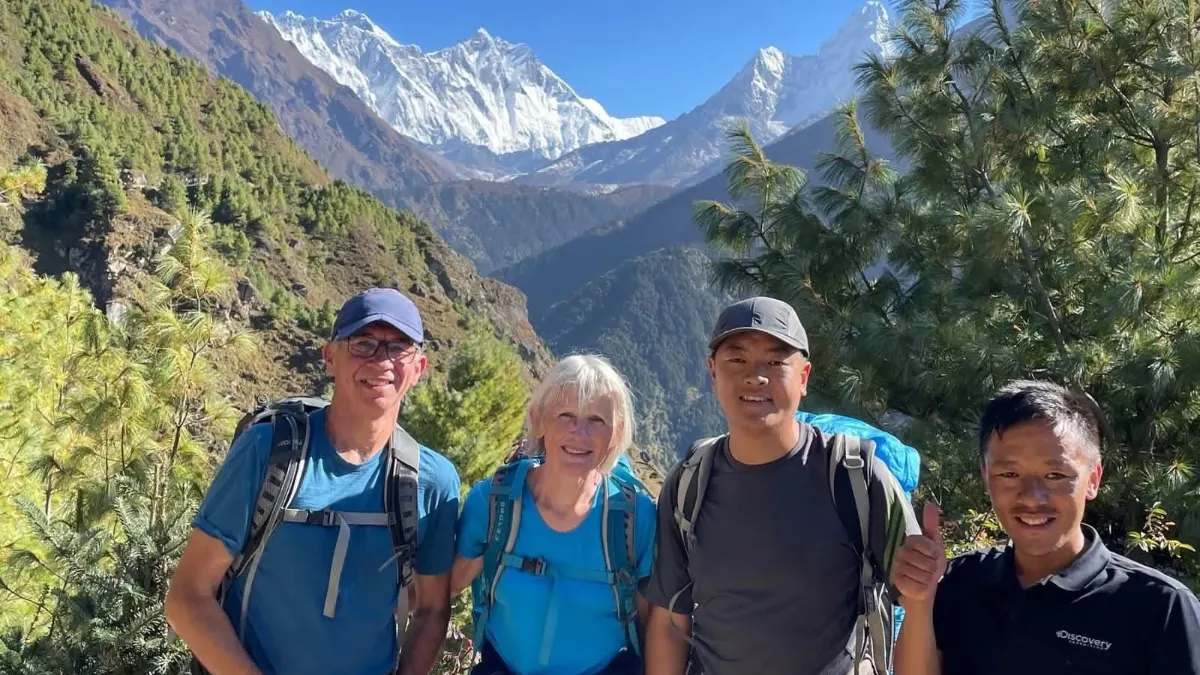
Small group trekking in Nepal is a practical way to explore the Himalayas with the support of a local guide. Sherpa Brothers Treks & Expeditions offers Sherpa trekking services for small groups, including private trips and personalized trekking holidays.
You can walk through mountain villages, learn about local traditions and enjoy Himalayan views without joining a large tour.
But planning your first trek can raise many questions. Which route should you choose? How fit do you need to be? How much will your trip cost? What happens if you cannot keep up with your group?
A well-planned trekking service can help you work through these questions before traveling to Nepal.
This guide explains how to choose a trekking service, find a suitable route, prepare for mountain conditions and book your first Himalayan trek.
Which Sherpa trekking services offer small-group trips in Nepal?
Sherpa Brothers Treks & Expeditions is a locally owned Sherpa trekking company that offers small-group trips in Nepal, including individual and personalized trekking holidays.
Our family-run company has roots in Solukhumbu, the region where Mount Everest is located. Our team has more than 25 years of guiding experience and specializes in planning trekking holidays around travelers' interests, available time and personal needs.
Small-group trekking services can help you arrange several parts of your journey through one company. These may include professional guides, accommodation, permits, transport and porter support.
Types of small-group trekking services
Different trekking services suit different travel needs.
| Trekking service | Who it may suit |
| Private guided trekking | Couples, families and friends |
| Shared small-group trekking | Solo travelers who want to meet others |
| Customized trekking | Travelers with specific needs or limited vacation time |
| Cultural trekking | Visitors interested in local traditions and village life |
| High-altitude trekking | Well prepared travelers seeking a physical challenge |
You do not need to choose a fixed package straight away. Discuss your travel dates, hiking experience and budget with your trekking company first.
Ask which services are available for your chosen route.
How do you choose the right group size for trekking in Nepal?
To choose the right group size for trekking in Nepal, consider the number of guides, walking abilities of group members, personal comfort and how much flexibility you need.
There is no standard group size that every trekking company follows. A small group with one guide may receive a different level of support from a group with an assistant guide.
Private vs shared small-group trekking
A private trek is arranged for you and your chosen companions. A shared group trek brings together travelers who book the same departure.
| Feature | Private trek | Shared group trek |
| Travel companions | People you know | Other travelers |
| Departure dates | May be flexible | Usally fixed |
| Walking pace | Can be planned around your group | Depends on group needs |
| Itinerary changes | Often more flexible | May be limited |
| Cost | May be higher per person | Some expenses may be shared |
| Social experience | Travel with friends or family | Meet new people |
Imagine four friends from the United States planning their first trek. Two hike regularly, while the other two have little mountain walking experience.
A private trek gives them a chance to discuss shorter walking days, rest breaks and extra guide support before booking.
Why should first time trekkers consider small-group trekking in Nepal?
first time trekkers should consider small-group trekking in Nepal because smaller groups may offer more chances to communicate with guides and receive personal support.
You can ask questions about the trail, food, weather and local customs more easily.
However, group size alone does not guarantee an easier or safer trek. Ask how your trekking company manages different walking speeds and what happens if someone cannot continue.
Which small-group treks in Nepal are suitable for first time trekkers?
Poon Hill, Pikey Peak and Langtang Valley are small-group treks in Nepal that may suit first time trekkers with different fitness levels and hiking experience.
Some well-prepared travelers also choose Everest Base Camp as their first Himalayan trek. However, its high altitude makes it a much greater challenge.
Poon Hill Trek

Poon Hill is a mountain viewpoint in the Annapurna region. It reaches 3,210 meters (10,531 feet). The route passes through forests and traditional villages. In clear weather, you can see the Annapurna and Dhaulagiri mountain ranges.
The Poon Hill Trek is a relatively short introduction to Himalayan trekking. However, its stone steps and uphill paths still require physical preparation.
- Best suited for: Travelers looking for a shorter trek with mountain views and village experiences.
- Preparation tip: Practice climbing stairs and walking uphill before your trip.
Pikey Peak Trek
Pikey Peak lies in the lower Solukhumbu region of Nepal. Its trails offer mountain views and opportunities to learn about Sherpa culture. The route reaches a higher elevation than Poon Hill. You need to prepare for uphill walking and allow enough time for your body to adjust to the altitude.
The Pikey Peak Trek may suit active travelers who want to combine their first Himalayan trek with cultural experiences.
- Best suited for: Travelers interested in Sherpa villages, mountain views and local traditions.
- Preparation tip: Ask about daily walking hours and sleeping elevations before choosing your itinerary.
Langtang Valley Trek
Langtang Valley lies north of Kathmandu. The route passes through forests, riverside trails and mountain villages. The region is home to Tamang communities with their own traditions and cultural heritage.
This trek involves several days of walking and reaches elevations where altitude sickness is a concern. Some itineraries include optional climbs to higher viewpoints.
- Best suited for: Active travelers who have prepared for several days of mountain walking.
- Preparation tip: Discuss optional climbs with your guide rather than assuming you need to complete every viewpoint.
Everest Base Camp Trek
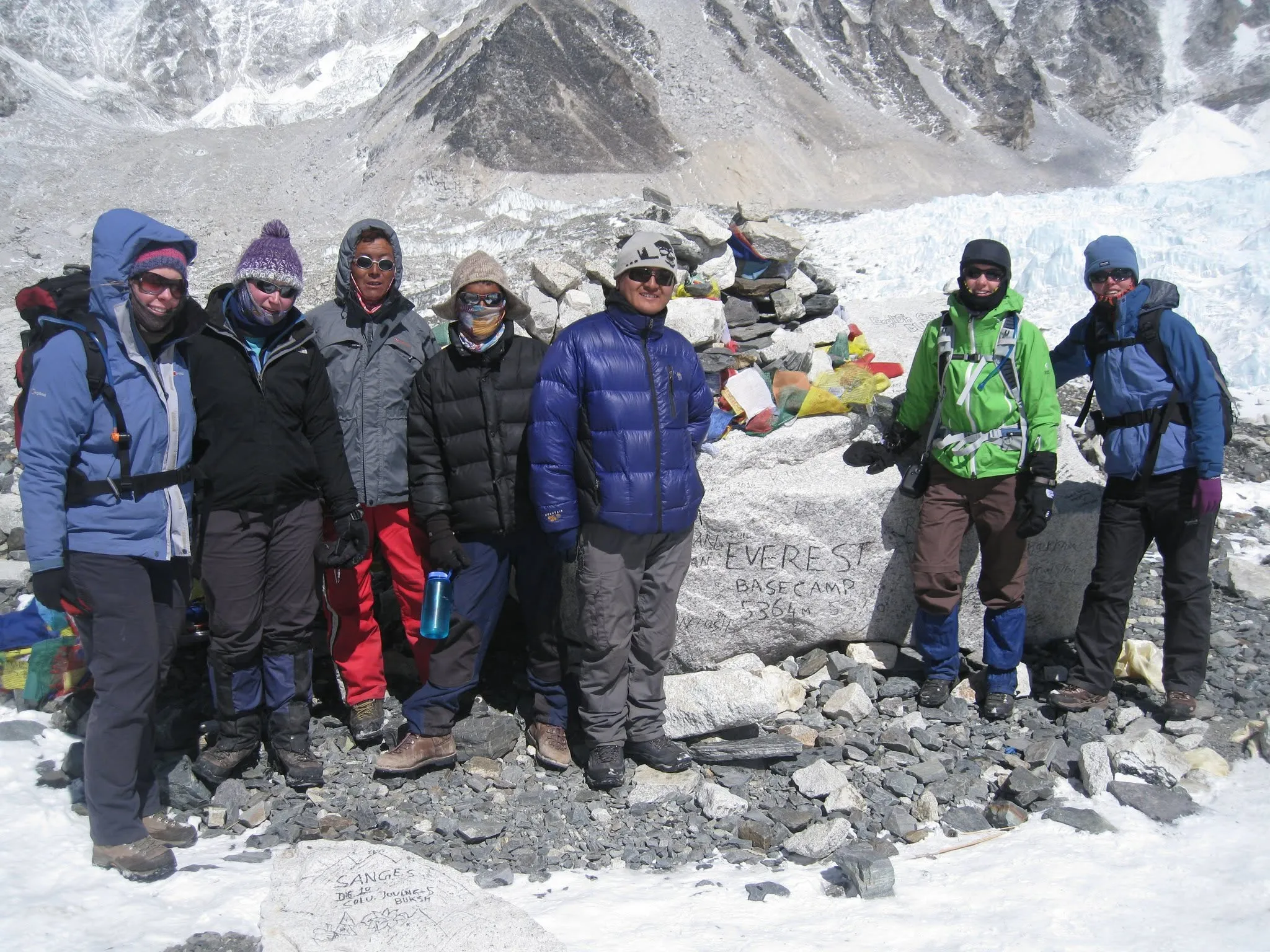
Everest Base Camp sits at around 5,364 meters (17,598 feet) in the Khumbu region. The journey takes you through Sherpa villages, Buddhist sites and mountain valleys. You do not need to climb Mount Everest to reach the base camp.
However, the long walking days and high altitude make the Everest Base Camp Trek a demanding experience.
- Best suited for: Well-prepared travelers with enough time for physical training and gradual altitude adjustment.
- Preparation tip: Never remove essential acclimatization days simply to fit a shorter vacation.
Small-group trekking route comparison
| Trek | Relative difficulty | Main experience |
| Poon Hill | Lower | Mountain views and village walks |
| Pikey Peak | Moderate | Sherpa culture and Everest views |
| Langtang Valley | Moderate to demanding | Mountain valleys and Tamang villages |
| Everest Base Camp | Demanding | High-altitude Himalayan trekking |
These difficulty levels are general comparisons. Your experience will depend on your health, fitness, weather and chosen itinerary.
When is the best time to plan your first Himalayan trek?
Spring (March to May) and autumn (September to November) are generally favorable times to plan your first Himalayan trek in many parts of Nepal. These seasons often offer more suitable walking conditions and opportunities for clear mountain views.
| Season | What to expect |
| Spring | Warmer days and flowering rhododendrons |
| Autumn | Generally drier trails and clearer skies |
| Winter | Cold temperatures and possible snow |
| Summer | Monsoon rain in many trekking regions |
Read our Nepal travel information for more details about seasonal weather.
If you are traveling from the United States, include international flight days and possible travel delays when planning your vacation.
Choose your travel dates based on your route rather than the season alone.
How much does small-group trekking in Nepal cost?
The cost of small-group trekking in Nepal varies depending on the destination, trip length, group size, transportation and services included in the package.
A trek that requires domestic flights may cost more than one that starts near a road. Longer journeys also involve more days of accommodation, meals and guide services.
Traveling with friends can reduce certain shared expenses, but not every cost decreases when your group becomes larger.
What is included in a Sherpa trekking service for small groups?
A Sherpa trekking service for small groups may include professional guides, accommodation, permits, meals, transportation and porter support.
The exact inclusions depend on the package you choose.
| Services to check | Possible extra expenses |
| Trekking guide | International flights |
| Porter services | Nepal visa |
| Trekking permits | Personal travel insurance |
| Accomodation | Staff tips |
| Local transportation | Personal equipment |
| Meals during the trek | Extra food and drinks |
A guide leads the group and helps manage the journey. A porter carries luggage when porter services are included.
Ask about luggage limits, staff insurance and working conditions before booking.
Understanding shared trekking costs
Imagine your group needs a private vehicle to reach the start of a trek.
Four travelers sharing the vehicle may pay less per person than two travelers using the same vehicle. However, meals and permits may still be charged individually.
This is why a complete price breakdown is more useful than a starting package price.
Request your quotation in US dollars if you are traveling from the United States. Also read our trekking booking terms and conditions to understand payment and cancellation arrangements.
How can you choose a reliable Sherpa trekking service in Nepal?
You can choose a reliable Sherpa trekking service in Nepal by checking the company's registration, guide qualifications, group size, safety plans and booking conditions.
A trekking company should be able to explain what your journey involves before asking you to confirm a booking.
Guide qualifications and group management
Sandhya Maharjan, a Nepalese trekking guide who received her license in 2019, discussed her professional experiences in a 2024 interview with The Kathmandu Post.
She described leading six international travelers on the demanding Three Passes Trek with two porters. She also explained that companies commonly provide an assistant guide for groups of that size.
Her account highlights an important point. The number of guides matters as much as the number of travelers.
Before choosing your trekking service, ask:
- Does my guide hold the required trekking license?
- Has the guide completed first-aid training?
- Has the guide worked on my chosen route?
- How many trekkers will each guide look after?
- Will an assistant guide be available if needed?
- What happens if someone becomes ill?
Sherpa is the name of an ethnic community, not simply another word for a mountain guide. Cultural knowledge and professional qualifications are both valuable when choosing guide support.
Trekking permits, travel insurance and mountain safety
Every Himalayan trek requires careful planning. Even shorter routes can involve steep trails, changing weather and elevations that may affect your health.
Understanding these risks helps you make better decisions before and during your trip.
Do first time trekkers need trekking permits in Nepal?
Yes, first time trekkers need trekking permits in Nepal when their chosen route requires them. Different trekking regions have different permit and guide requirements.
According to the Nepal Tourism Board's official TIMS guidance, travelers on listed routes in protected areas must use a licensed trekking guide and carry a trekking agency-issued TIMS card. TIMS stands for Trekkers' Information Management System.
Ask your trekking company to confirm which rules and permits apply to your exact route before traveling.
Why is acclimatization important during Himalayan trekking?
Acclimatization is important during Himalayan trekking because your body needs time to adjust to lower oxygen levels at higher elevations. Walking too high too quickly increases your risk of altitude sickness. Common symptoms include headaches, nausea, dizziness and unusual tiredness.
The Himalayan Rescue Association Nepal warns trekkers about the risks of rushing their journey through high-altitude regions. The CDC's high-altitude travel guidance also recommends gradual altitude adjustment.
Do not climb to a higher sleeping elevation while experiencing symptoms of altitude sickness. If your symptoms get worse, descend and seek urgent medical help. Tell your guide immediately if you feel unwell. Being physically fit does not prevent altitude sickness.
Travel insurance for Himalayan trekking
Choose travel insurance that covers your planned trekking altitude, medical treatment and emergency evacuation. Some standard travel insurance policies exclude high-altitude trekking or limit the elevation you can reach.
Ask your insurance provider to confirm your coverage in writing.
What can you expect during your first Himalayan trek?
During your first Himalayan trek, you can expect daily mountain walks, meals in local lodges, basic accommodation, rest breaks and changes in weather conditions.
Your daily routine depends on your chosen route and the needs of your group.
A typical day on the trail
Many lodge-based trekking days begin with breakfast before walking to the next village. You may stop for lunch along the trail and reach your accommodation later in the day. Your guide may then explain the following day's walking plan.
This routine can change because of weather, walking pace or trail conditions.
Accommodation and food
Many popular trekking routes offer accommodation in teahouses. These are small mountain lodges that provide rooms and meals. Rooms are often simple. Bathrooms may be shared, and hot showers, electricity or internet access may cost extra. Common meals include rice, lentils, vegetables, noodles, potatoes and soups.
Ask your trekking company about accommodation standards, dietary needs and safe drinking water before booking.
How should you prepare for your first Himalayan trek?
You should prepare for your first Himalayan trek by building your walking fitness, testing your hiking equipment and understanding the demands of your chosen route.
You do not need to train like a professional mountain climber. Your preparation should match the trek you choose.
Build your walking fitness
Start walking regularly several weeks or months before your trip, depending on your current fitness.
A simple training routine can include:
-
Walking around your neighborhood.
-
Climbing stairs and walking uphill.
-
Taking longer weekend hikes.
-
Practicing with a light backpack.
-
Walking in the boots you plan to wear in Nepal.
Even professional trekking guides use regular exercise and hiking to maintain their fitness.
Increase your walking time gradually. Speak with a healthcare professional before starting a demanding trek or training plan if you have health concerns.
Pack the right trekking equipment
Your equipment should match the season, route and elevation. Basic items include hiking boots, warm clothing, a waterproof jacket, trekking poles, sun protection and a comfortable daypack.
Check our Nepal trekking gear list before buying equipment. Avoid carrying unnecessary items. Ask your guide what you need for your exact route.
Common mistakes to avoid
| Common mistake | Better approach |
| Choosing the most popular trek without checking its difficulty | Match the route to your abilities |
| Wearing new boots on the trail | Test your footwear before traveling |
| Walking too quickly | Maintain a comfortable pace |
| Ignoring signs of altitude sickness | Inform your guide immediately |
| Carrying unnecessary equipment | Follow a route-specific packing list |
| Booking a very tight travel schedule | Allow time for possible delays |
Your trekking holiday is not a race. Give yourself time to rest and enjoy the places you visit.
How can Americans book a small-group Sherpa trekking service in Nepal?
Americans can book a small-group Sherpa trekking service in Nepal by choosing their travel dates, contacting a trekking company, reviewing the proposed itinerary and confirming the booking arrangements.
You can organize most parts of your trekking holiday before arriving in Nepal.
Step 1: Decide how much vacation time you have
Include international flights, time in Kathmandu, trekking days and possible travel delays.
A two-week vacation does not necessarily give you two full weeks of trekking.
Step 2: Share your group information
Tell your trekking company your group size, fitness levels, previous hiking experience, preferred destinations and budget.
Mention any concerns about long walking days or high elevations.
Step 3: Review your proposed itinerary
Check daily walking hours, sleeping elevations, accommodation and rest days.
Ask whether changes are possible if your group needs more time.
Step 4: Confirm the total cost
Request a written quotation that explains package inclusions, extra expenses, payment terms and cancellation conditions.
Step 5: Complete your travel arrangements
Arrange your passport, visa, flights, insurance and trekking equipment.
American travelers should also check the U.S. Department of State's Nepal travel advisory for current safety and travel information.
Leave extra time when your itinerary depends on mountain flights. Weather conditions can cause delays.
Frequently Asked Questions
Can I book a Sherpa trekking service for a small group of two people?
Yes, you can book a Sherpa trekking service for a small group of two people with companies that offer private trekking holidays.
Confirm the minimum group size, departure dates and total price before booking.
Can I join a small-group trek without previous trekking experience?
Yes, you can join certain small-group treks without previous trekking experience if you choose a suitable route and prepare physically.
A shorter trek at a lower elevation may be a more suitable starting point than a demanding high-altitude route.
Can solo travelers join small-group trekking tours in Nepal?
Yes, solo travelers can join small-group trekking tours in Nepal when a company offers shared departures with available spaces.
Ask about departure dates, accommodation arrangements and any additional charges for traveling alone.
Do I need climbing experience for Himalayan trekking?
No, you do not usually need technical climbing experience for standard Himalayan trekking routes such as Poon Hill or Everest Base Camp.
However, you still need suitable walking fitness and preparation for the route's altitude and terrain. Technical climbing and peak expeditions have different requirements.
Can a small-group Sherpa trekking itinerary be customized?
Yes, a small-group Sherpa trekking itinerary can be customized when the company offers personalized trips.
Possible changes depend on your travel dates, fitness, route, permit requirements and accommodation availability.
What happens if I cannot keep up with my trekking group?
If you cannot keep up with your trekking group, your guide should assess your condition and discuss suitable options.
These may include rest breaks, a slower pace or a change to the itinerary. Ask how the company manages such situations before booking.
Start planning your first Himalayan trek with Sherpa Brothers
Small group trekking in Nepal allows you to explore Himalayan trails, experience local cultures and travel with professional guide support. Finding the right Sherpa trekking service for your small group starts with understanding your fitness, travel time, budget and personal interests.
At Sherpa Brothers Treks & Expeditions, we specialize in small-group and personalized trekking holidays.
Whether you are traveling with friends, family or your partner, tell us about your plans and hiking experience. Our team can help you explore suitable trekking routes and plan your first Himalayan journey.